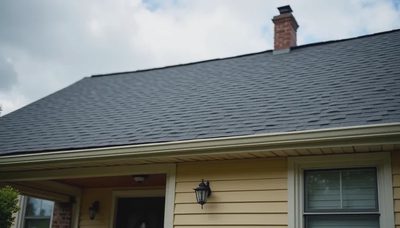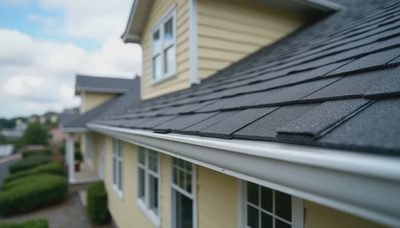
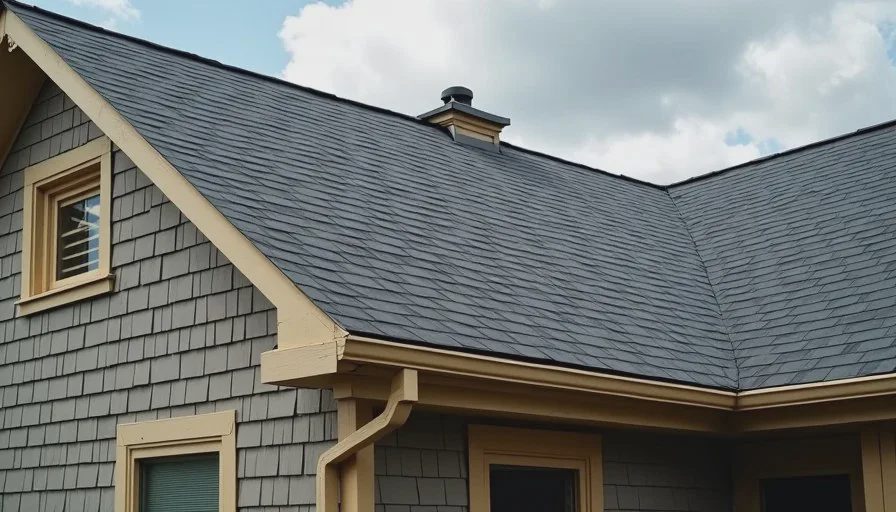
The dumpster is gone, the ladders are down, and the new roof looks finished from the street. Many homeowners assume that moment is the end of active oversight. On an older house it is often only the beginning of a short but important review period. Certain workmanship issues remain visible and correctable for days or weeks after the crew leaves. Catching them early—while the contractor is still responsive and before weather or debris hides the evidence—protects both the performance of the roof and the working relationship.
I’m Heath Bannister. In more than a decade of reviewing residential claims and completed roof work, I saw the same installation shortfalls appear repeatedly. Most were not catastrophic. Many were straightforward to fix if they were noticed while the job was still recent. The homeowners who obtained the cleanest results were usually the ones who walked the property systematically in the first one to two weeks and raised clear, specific items rather than general complaints.
This article lists the workmanship mistakes that are still realistic to identify and address after the crew has left.
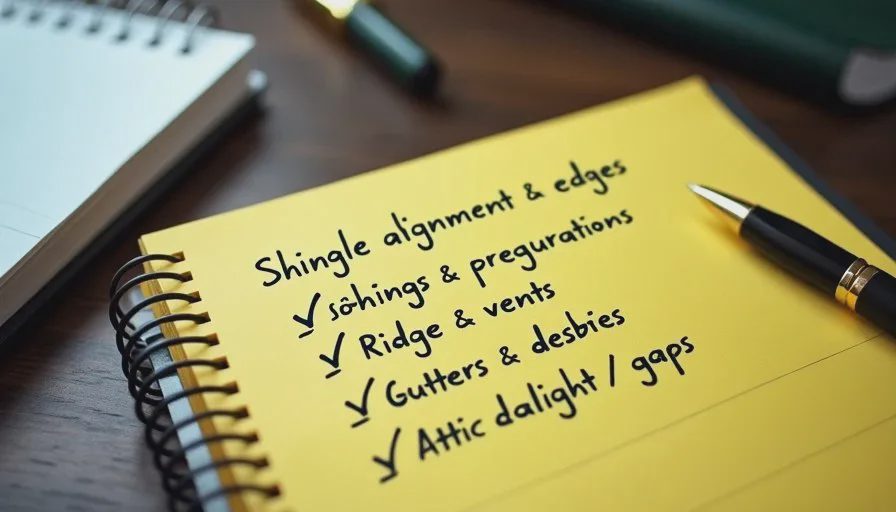
Shingle Alignment, Overhang, and Fastening Issues
From the ground or a safe ladder, look at the shingle courses across each slope. Courses should appear reasonably straight and consistent. Excessive stagger irregularities, obvious gaps, or areas where shingles appear to buckle or lift can indicate installation problems. At the eaves and rakes, the overhang should be even and appropriate—neither so short that water runs behind the drip edge nor so long that the tabs are unsupported.
Exposed or high nail heads are another visible concern. Nails that sit above the shingle surface or that were driven through the wrong zone of the tab can become entry points for water and can shorten the life of the surrounding material. These are often easiest to spot along the edges and in lower courses.
None of these items requires measuring every shingle. A deliberate visual scan in good light is usually enough to identify patterns that look inconsistent with careful work.
Flashing Details That Were Rushed or Incomplete
Flashings are among the most frequent sources of later problems and among the easiest to review after the fact. Walk the perimeter and examine step flashing along sidewalls, counter flashing at chimneys, and the metal or woven details in valleys. The metal should sit tight, with clean bends and proper integration into the shingle courses. Large gaps, missing pieces, or heavy reliance on sealant where metal overlaps should exist are worth noting.
Penetrations deserve the same attention. Plumbing boots should be new or in clearly serviceable condition, properly seated, and sealed at the correct points. Old, cracked boots that were left in place are a common oversight. Electrical mast collars and exhaust terminations should likewise appear complete and well integrated.
On older homes the number of transitions is often higher—multiple roof planes, older chimneys, previous additions. Each transition is a place where hurried work becomes visible once the crew is no longer on site.
Ridge, Hip, and Ventilation Termination Problems
Look at the ridge line from a distance and then closer if it is safe to do so. The ridge cap should run straight and sit securely. If a ridge vent was installed, the cut should be continuous and the vent should be properly capped at the ends. Gaps, uneven seating, or missing end caps are visible shortfalls.
Static vents and other exhaust terminations should be properly flashed and aligned. Screens should be intact. These components are easy to overlook once the main field looks finished, yet they are frequent sources of moisture issues when the installation is incomplete.
Edge Details: Drip Edge, Rakes, and Gutter Interfaces
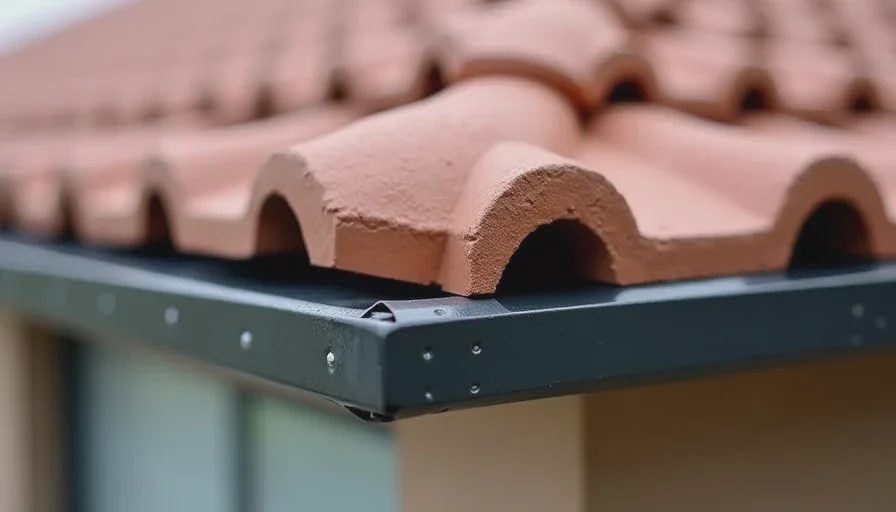
The perimeter of the roof is where water leaves the system. Drip edge should sit tight against the fascia and extend far enough to direct water into the gutters. At the rakes, the finish should be clean and consistent. Gaps between the new roof edge and the gutter, or sections where water can run behind the gutter, are practical problems that remain visible after the crew leaves.
While checking the edges, look at the gutters themselves. Roofing work commonly leaves granules, nails, and small debris. A final cleaning is standard practice; if the gutters are still heavily loaded days later, that is a fair item to raise. Stray nails in the yard or driveway are another cleanup issue that is still easy to document and address.
Attic Indicators of Incomplete Work
The underside of the new roof can reveal problems that are invisible from outside. On a clear day, enter the attic with a bright flashlight and look at the underside of the decking, the ridge, and the areas around penetrations. There should be no daylight coming through gaps, no loose debris left on the insulation, and no signs that ventilation pathways were left blocked.
If the scope included improved intake or ridge venting, confirm that the cuts appear continuous and that baffles, if used, are in place. An attic that still shows the same restricted airflow that existed before the job may indicate that the ventilation portion of the work was not fully completed.
Debris, Damage to Adjacent Surfaces, and Incomplete Cleanup
Walk the entire yard and the driveway. Roofing nails are a persistent hazard and a common leftover. Landscaping, outdoor units, and adjacent roof sections or lower roofs should not show avoidable damage from foot traffic, falling materials, or ladder placement. Tarps, scrap shingles, packaging, and other job debris should be gone.
These items do not affect the watertightness of the roof, yet they are part of a complete job. Their presence days after the crew has left is a reasonable subject for a punch-list conversation.
How to Raise the Issues Effectively
A short, specific list supported by photographs is more effective than a general statement that the work looks incomplete. Note the location of each concern, take a clear image, and reference the original scope if the item was supposed to be included. Most reputable contractors expect a punch-list phase and prefer to address items while the job is still recent and their memory of the work is fresh.
Timing matters. Raising clear issues within the first one to two weeks is ordinarily received as normal project close-out. Waiting several months makes the same issues harder to document, harder to schedule, and more likely to become points of friction.
What Is Worth Immediate Attention
Issues that affect water-shedding performance or safety deserve the fastest response: active leaks, missing flashings, widespread exposed fasteners, or daylight visible in the attic. Cosmetic unevenness at a cut edge or a few remaining granules in a gutter can usually be scheduled for a quick return visit. The distinction is practical rather than theoretical.
A Simple Post-Crew Review Sequence
A workable routine looks like this:
Days 1–3: Exterior walk-around focusing on shingle field, edges, flashings, penetrations, and gutters.
Days 3–5: Attic check with flashlight and photographs.
Days 5–7: Yard and debris inspection, including a careful search for nails.
Within two weeks: Compile a short written list with photos and contact the contractor while the work is still recent.
The entire process requires only a few hours. It produces a clear record and a limited set of items, if any, that need correction.
Why This Review Matters More on Older Homes
Older houses often have more complex transitions, older chimneys, previous additions, and attic spaces that were not designed for modern ventilation. Small installation misses at those locations are more common than on simpler new construction. Catching them early protects the performance of the new roof and preserves a cooperative relationship with the contractor.
The new roof will be on the house for many years. A brief period of deliberate attention after the crew leaves is one of the highest-leverage steps a homeowner can take. Most workmanship issues that surface in the first weeks are still straightforward to correct. The same issues discovered much later are harder to document and more expensive to resolve.
Walk the perimeter. Look at the flashings. Check the attic. Write down what you see. The roof will still be there tomorrow, and the record you create in the first days will remain useful for as long as you own the house.