Some changes on an older roof are simply cosmetic. Others point to conditions that will keep returning until the underlying problem is addressed. After more than a decade reviewing residential claims and contractor estimates, I learned to separate the two. The signs below are the ones I stopped brushing off. None of them automatically means a full replacement is required. Each of them deserves a closer look before the next storm season or the next contractor conversation.
I’m Heath Bannister. Most of the roofs I examined sat on houses built between the 1950s and the early 1980s. The same patterns appeared across different materials and climates. When several of these signals showed up together, the roof was usually closer to the end of reliable performance than the exterior alone suggested. When only one appeared in isolation, targeted repair or continued monitoring was often still reasonable.
Here are the seven signs I treat as meaningful.
1. Widespread Granule Loss That Exposes the Asphalt
Asphalt shingles rely on the surface granules to protect the underlying material from ultraviolet light. Some loss is normal with age. The signal becomes stronger when large areas of the field show bare asphalt, especially on the southern and western exposures that receive the most sun. Once the granules are gone, the shingles become more brittle and lose flexibility.
I looked for consistency. Light, even thinning across the roof is common on a roof that is simply aging. Heavy loss in broad patches, combined with granules accumulating in the gutters or at the downspouts, suggests the surface is breaking down faster. That condition does not always require immediate replacement, but it does mean the remaining service life is shorter than the calendar age alone would indicate.
2. Curling, Cupping, or Cracking Tabs
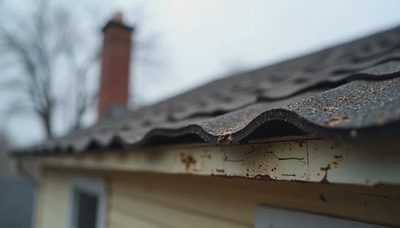
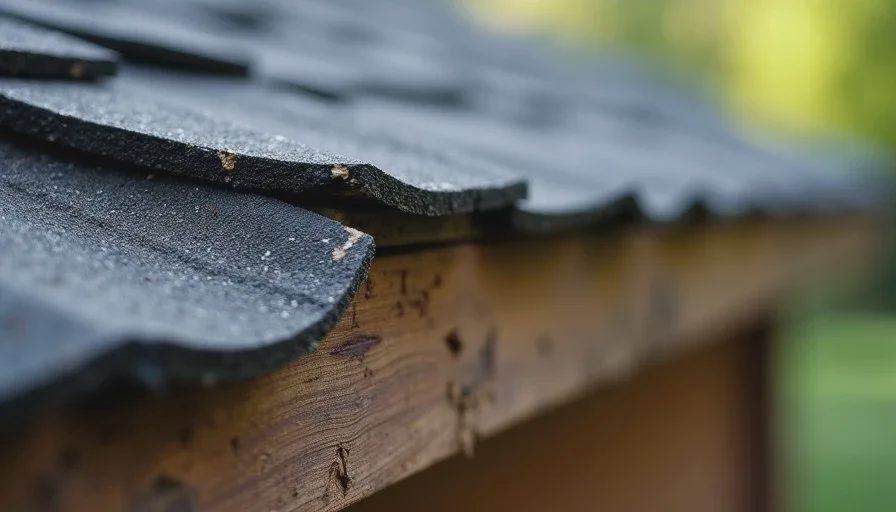
Shingles that remain flat and flexible are still doing their job. When the edges begin to curl upward or the centers cup, the material has lost the ability to lie tight against the deck. Cracking along the tabs is a related sign. Mild curling can appear years before leaks develop. When the tabs lift enough to catch wind or when corners break off under light hand pressure, the shingles are no longer shedding water as designed.
On older roofs this change often appears first on the most exposed slopes. I paid attention to whether the curling was limited to a few courses or had spread across large sections. The wider the pattern, the less likely surface repairs would restore reliable performance.
3. Soft Spots or Springy Decking Underfoot
A sound roof feels solid when walked carefully in dry weather. Soft or springy areas indicate that the decking itself has been weakened, usually by long-term moisture. This signal is more serious than surface wear because it moves the problem below the shingles.
I treated soft spots as a reason to get into the attic promptly. From above, the same areas often showed staining or darker wood. Decking that has lost strength will not hold new fasteners as well and may continue to flex after a new covering is installed. Ignoring this sign frequently led to larger change orders once tear-off began.
4. Repeated Leaks in the Same Locations
A single water stain after an unusually heavy storm is not conclusive. Leaks that return to the same spots after previous repairs are different. They suggest that the underlying detail—flashing, valley, penetration, or decking—is no longer capable of staying watertight with patchwork.
I asked homeowners for dates and weather conditions whenever stains reappeared. Patterns that lined up with valleys, chimneys, or the lower edges of the roof carried more weight than random interior marks. When the same location had been sealed more than once, the repair history itself became evidence that a more complete solution was needed.
5. Flashing That Relies on Layers of Sealant
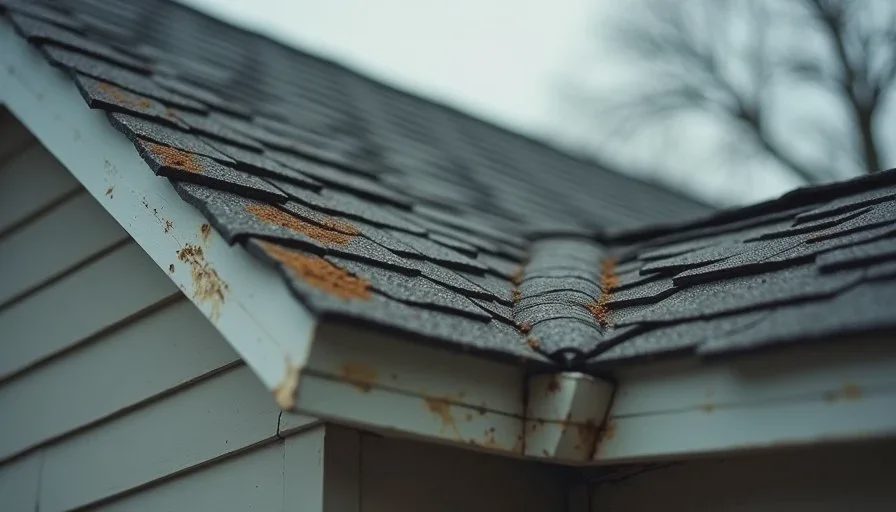
Flashings are designed to shed water through metal overlaps and proper integration with the shingles. On older homes it is common to find step flashing, chimney counter flashing, or valley metal that has been coated repeatedly with roofing cement or caulk. Sealant is a temporary measure. When I saw multiple layers or fresh sealant over cracked older material, I treated it as a sign that the metal detail was no longer performing on its own.
This condition is easy to miss from the ground. A close look at the base of chimneys, along sidewalls, and in valleys usually reveals it. Once the surrounding shingles are removed, the limitations of sealant-heavy flashings become obvious and often add cost.
6. Attic Staining or Darkened Decking
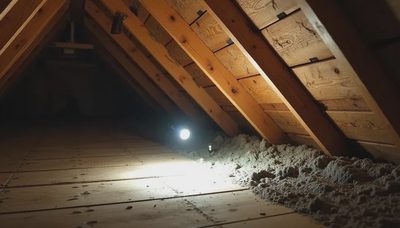
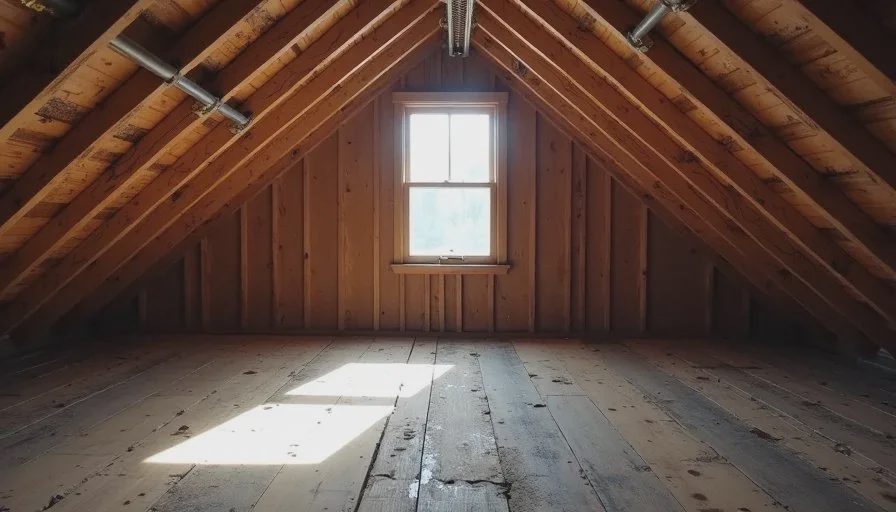
The underside of the roof deck often tells a clearer story than the exterior. Dark staining that follows the slope of the rafters, spreads around nail penetrations, or appears in widespread patches indicates long-term moisture movement. Fresh wet spots after rain are more urgent. Even without active leaks, darkened wood can mean the decking has absorbed moisture over years and may have lost some of its original strength.
I also looked at the insulation and the tops of the ceiling joists. Matted or discolored insulation under the roof plane frequently pointed to condensation or past leaks that had never been fully resolved. On older homes with limited original ventilation, these attic clues were often present even when the exterior still looked only moderately worn.
7. Inadequate or Blocked Ventilation
Poor airflow does not create an immediate leak, but it accelerates the aging of the shingles from the underside and can produce moisture conditions that mimic roof failure. Many older homes were built with minimal soffit intake or with ridge vents added later without proper cutouts. Insulation that blocks the eaves is another common problem.
I checked for even temperatures and dry surfaces in the attic on warm days. An attic that felt markedly hotter than expected or that showed moisture on the underside of the deck raised the priority of ventilation as part of any roof discussion. Installing a new covering over the same restricted airflow simply shortens the life of the next roof.
How These Signs Work Together
Any one of these signals can appear on a roof that still has useful life remaining. The stronger case for closer evaluation forms when several appear at the same time. Widespread granule loss plus curling tabs plus soft decking is a different situation from light granule loss alone. Repeated leaks in the same valley plus sealant-heavy flashing plus attic staining around that valley form a clearer pattern than a single interior stain.
I never treated the list as a scorecard that automatically demanded replacement. I treated it as a filter that helped decide how much urgency the roof actually carried and how complete any proposed scope needed to be. Homeowners who walked the exterior, checked the attic, and wrote down what they saw were in a better position to evaluate contractor recommendations when they arrived.
A Practical Way to Use the List
On a clear day, walk the property and note the overall condition of the shingle field, the edges, and the flashings. Then go into the attic with a bright flashlight and record what the underside of the decking and the insulation show. Write down any history of leaks and previous repairs. Compare the notes against the seven signs above. The resulting picture is more reliable than a single glance from the driveway or a quick sales assessment.
Older roofs can look tired for years while still shedding water effectively. They can also carry hidden conditions that make continued patching a poor long-term choice. The seven signs above are the ones I stopped dismissing. Reading them carefully remains one of the most useful steps an owner of an older home can take before deciding what the roof needs next.