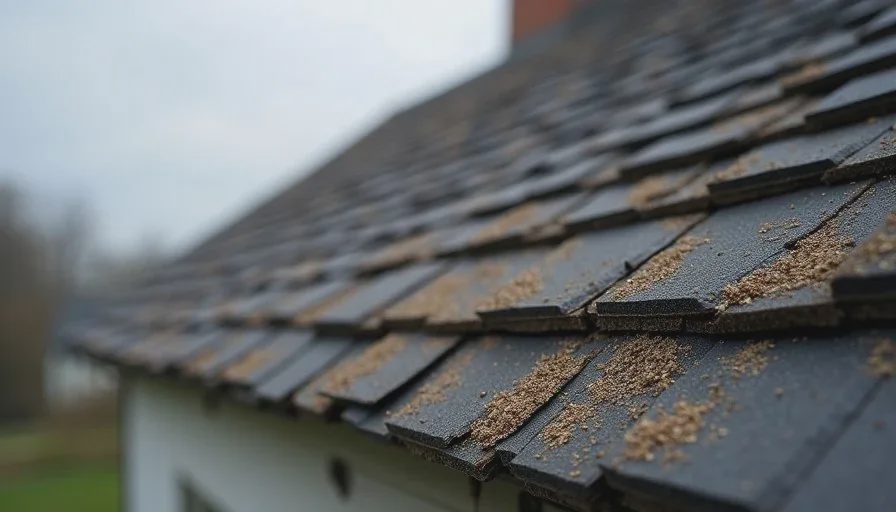
On an older roof the two conditions frequently sit side by side. Granules have thinned from years of sun. Tabs have lost some flexibility. At the same time a recent hail event or windstorm has left bruises, creases, or missing shingles. When a claim is filed, the central argument becomes how much of what is visible was caused by the storm and how much was already present as ordinary aging. That separation, more than any other single factor, shapes what the policy will pay.
I’m Heath Bannister. I spent over a decade as a property claims adjuster and estimate reviewer. A large portion of the residential roof files I handled involved asphalt roofs that were fifteen, twenty, or twenty-five years old. The homeowners often believed the storm had effectively ended the roof’s life and that insurance should therefore respond with a full replacement. The policy language and the physical evidence usually produced a more limited result. Understanding how the storm-versus-age distinction is drawn helps homeowners enter the process with clearer expectations.
Why the Distinction Exists in the Policy
Most homeowners policies are built around sudden and accidental direct physical loss. Wind and hail fall into that category when they create damage. Gradual deterioration, weathering, and wear do not. The insurer’s obligation is to address the damage caused by the covered event, not to reset the roof to a new condition simply because a storm occurred.
On a newer roof the distinction is often straightforward. On an older roof the pre-existing wear and the new storm effects can look similar to an untrained eye. The adjuster’s task is to isolate the recent, storm-created damage from the baseline condition that already existed. The more the visible problems can be attributed to long-term aging, the smaller the covered portion becomes.
How Adjusters Typically Separate the Two
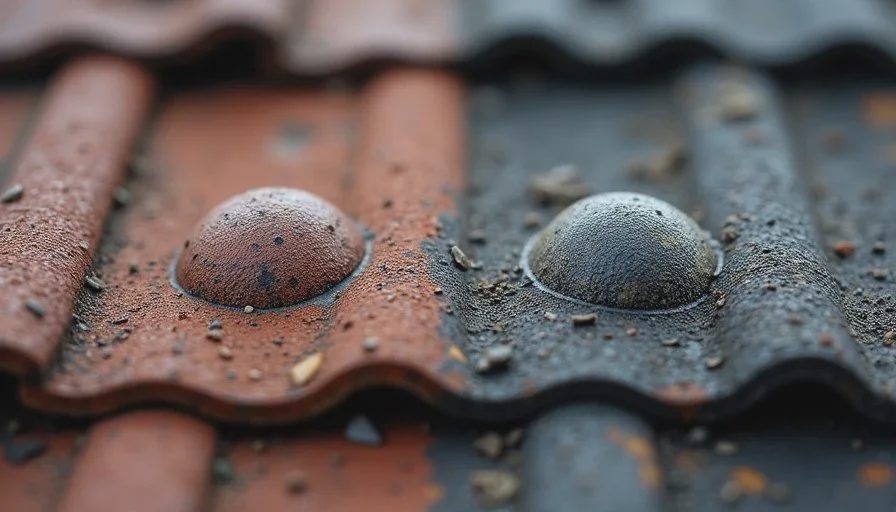
Several types of evidence come into play. The first is the pattern of damage. Hail bruises tend to be circular or roughly round and are often more concentrated on the slopes that faced the storm. Wind damage frequently appears as creased or lifted tabs, especially on the edges and ridges, and may show a directional pattern. Ordinary aging tends to be more uniform across the field or heavier on the southern and western exposures that receive the most ultraviolet light.
The second type of evidence is the condition of the surrounding materials. If the shingles across most of the roof already show advanced granule loss, widespread curling, and brittleness, the adjuster is more likely to view localized storm marks as occurring on a roof that had already reached an advanced stage of wear. If the field still retains good granule coverage and flexibility except in clearly storm-affected areas, the storm-related portion is easier to isolate.
The third type of evidence is historical. Prior claims, previous repair records, and even earlier photographs can establish what the roof looked like before the storm. Homeowners who have dated images of the roof from previous seasons are often in a stronger position to demonstrate change.
The Role of Depreciation Once the Separation Is Made
Even when storm damage is accepted, the age of the roof still influences the payment through depreciation. On an actual-cash-value policy the insurer starts with the cost to repair or replace the damaged property and then subtracts depreciation that reflects the roof’s age and condition at the time of loss. A twenty-year-old roof will ordinarily carry substantially more depreciation than a seven-year-old roof.
On a replacement-cost policy the initial payment may still be made on an actual-cash-value basis, with recoverable depreciation released only after the work is completed and proper documentation is submitted. In both cases the age of the roof affects the numbers the homeowner ultimately receives. The storm-versus-age argument determines the size of the covered loss; depreciation then determines how much of that covered loss is paid in cash up front.
Common Points Where the Argument Is Won or Lost
Several recurring issues decide most of these claims:
Whether the observed marks are consistent with the reported storm or with long-term wear patterns
How much of the roof is affected and whether repair of the storm-damaged areas is practical
Whether matching of undamaged slopes is required by the policy or by state rules
The quality of pre-loss documentation the homeowner can provide
The specific language of the policy regarding wear, tear, and deterioration exclusions
No single one of these factors is automatically decisive. Together they form the practical framework adjusters use. Homeowners who treat the claim as a process of documenting change rather than as a request for a new roof tend to navigate the framework more effectively.
What Documentation Helps Most
The strongest files I reviewed usually contained clear before-and-after visual evidence. Photographs taken from consistent angles, close-ups of representative areas, and attic views showing the underside of the decking all helped establish the baseline. A simple log of previous leaks and repairs added context. After the storm, new photographs taken from the same positions made the comparison more objective.
I also saw value in notes about the storm itself—date, approximate time, and any local reports of hail size or wind speed. While the insurer will conduct its own investigation, contemporaneous notes from the homeowner add credibility to the timeline.
Realistic Expectations on an Older Roof
Insurance is unlikely to treat ordinary weathering as a covered loss simply because a storm occurred. It is unlikely to ignore the pre-existing condition of a roof that already showed advanced wear. It is also unlikely to pay full replacement cost on an actual-cash-value policy without applying depreciation that reflects the roof’s age.
At the same time, genuine storm damage on an older roof is still covered to the extent the policy provides. When the storm has created widespread damage that makes repair impractical, full replacement can still be the appropriate scope, subject to depreciation and any applicable limits. The outcome depends on the evidence, not on the calendar age alone.
A Practical Approach Before and After a Storm
Before any storm season, photograph the roof and attic on a clear day and store the images with the policy documents. After a storm, document new conditions promptly and avoid permanent repairs until the adjuster has inspected, unless temporary measures are required to prevent further damage. When the adjuster visits, present the documentation calmly and ask specifically how the storm-related damage was separated from pre-existing wear and how depreciation was calculated.
If the initial finding seems incomplete, request a written explanation of the portions that were attributed to age rather than to the storm. That explanation becomes the basis for any further discussion or review.
Why This Argument Changes the Outcome
Many homeowners enter a claim believing that a storm plus an old roof should equal a new roof paid largely by insurance. The policy structure does not work that way. The storm must be shown to have caused damage that requires repair or replacement, and the payment for that damage is then adjusted for the age and condition of the roof at the time of loss. When that sequence is understood in advance, the numbers that appear on the estimate are less likely to feel arbitrary.
The distinction between storm damage and old age is not a technicality. It is the central mechanism that determines whether a claim on an older roof produces a meaningful contribution toward replacement or a limited repair payment. Reading the roof carefully, documenting its condition, and understanding how the separation is made remain the most useful steps a homeowner can take.