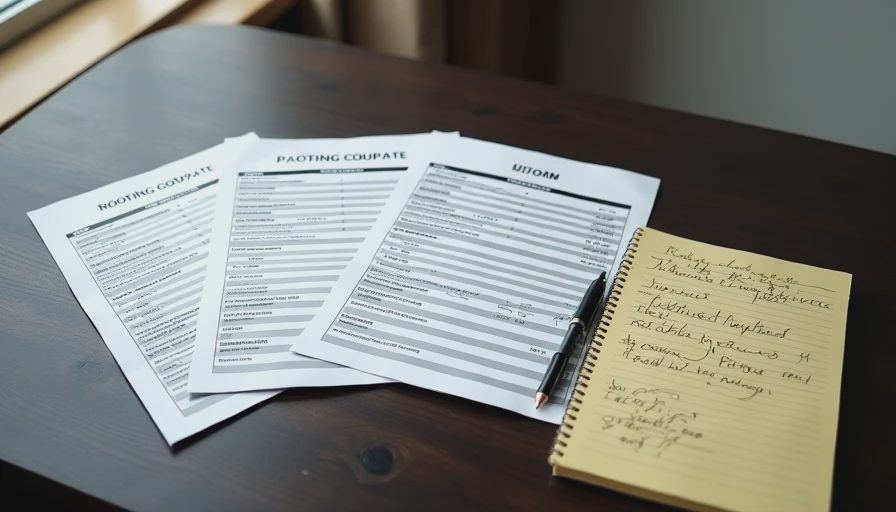
When three roofing quotes land on the table and each one sounds reasonable, the decision becomes harder, not easier. The numbers may sit within a few thousand dollars of each other. The language may all claim quality materials and experienced crews. Yet on an older home the differences that matter are rarely visible in the total price. They sit in the scope details, the assumptions about decking, the treatment of flashings, and the clarity of what happens when the tear-off reveals surprises.
I’m Heath Bannister. After more than a decade reviewing residential claims and contractor estimates, I watched the same pattern repeat. Homeowners received multiple proposals that looked similar on the surface. The final costs and the finished results diverged once the work began. The contractors who produced the more predictable outcomes were usually the ones whose scopes answered the questions that older houses tend to raise.
This article outlines a practical way to compare those proposals. The goal is not to find the cheapest number. The goal is to identify the quote that most completely describes the work an older roof is likely to need.
Begin With the Same Set of Facts
Before any contractor arrives, collect the basic information that every proposal should address. Note the approximate age of the current roof, any known previous repairs, the locations of past leaks, and what you observed in the attic. Photograph the exterior from several angles and the underside of the decking if access allows. These notes become the shared baseline. When later quotes differ, you can ask each contractor how their scope responds to the conditions you already documented.
A useful comparison starts from the same facts. Without that shared starting point, each proposal becomes a separate conversation rather than a side-by-side evaluation.
Look First at What the Scope Includes
Price is the last number to evaluate. The first questions concern coverage. Does the proposal state the type and thickness of underlayment? Does it specify ice-and-water shield in valleys, along eaves, and around penetrations? Does it address the existing flashings—will they be replaced, reused, or evaluated during tear-off? Does it describe the ridge ventilation and whether existing vents will be modified or replaced?
On older homes these line items often determine whether the new roof performs as expected. A quote that simply lists “complete roof replacement” without breaking out underlayment, flashing, and ventilation leaves too many decisions unstated. When the tear-off begins, those decisions still have to be made. The homeowner then faces change orders or incomplete work.
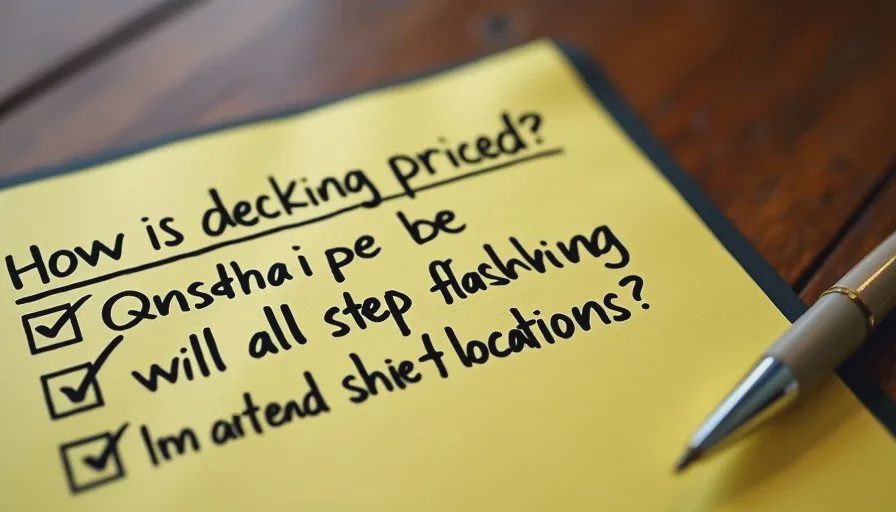
I used to rewrite scopes on a yellow legal pad in plain language. The exercise quickly showed which proposals had already answered the practical questions and which ones deferred them.
Pay Attention to Decking Language
Decking is one of the largest sources of cost variation on older houses. Some proposals include a fixed allowance for replacement. Others state that damaged decking will be replaced at an additional per-sheet price. Still others remain silent until the old shingles are removed.
None of these approaches is automatically wrong. What matters is clarity. A fixed allowance that is unrealistically low can create pressure later. A per-sheet price is workable if the unit cost and the decision criteria are written down. Silence is the least useful option. Ask each contractor to explain how they will determine which boards need replacement and how that work will be priced. Write the answers next to each quote.
The same principle applies to other potential extras: fascia repair, additional ventilation, or chimney flashing rebuilds. The stronger proposals name the possibilities and state how they will be handled.

Compare the Quality of the Written Details
Two proposals can list similar materials and still differ sharply in usefulness. One may specify the manufacturer and product line for the shingles, the underlayment brand, and the type of nails. The other may use generic terms. One may include a clear statement about debris removal, site protection, and final walkthrough. The other may omit those points.
Detail does not guarantee better workmanship. It does indicate that the contractor has thought through the job in writing. On older homes, where unexpected conditions appear more often, that written thinking reduces later friction. When you place the proposals side by side, the presence or absence of specific language becomes visible quickly.
Also examine the warranty section. Separate the manufacturer’s material warranty from the contractor’s workmanship warranty. Note the length of each and whether the workmanship coverage is transferable or requires maintenance conditions. Vague warranty language is common. Clear language is more useful.
Ask the Same Questions of Every Contractor
A short list of consistent questions produces comparable answers. Useful ones include:
How do you decide which decking boards to replace, and how is that work priced?
Will all step flashing and counter flashing be replaced, or will some existing metal be reused?
What underlayment and ice-and-water shield locations are included?
How will existing ridge or static vents be handled?
What happens if the tear-off reveals more soft decking than expected?
Who will be the on-site lead, and how will day-to-day communication work?
Write the answers next to each proposal. Patterns emerge. Some contractors give precise, consistent replies. Others remain general. The difference is information you can use.
Watch for Common Gaps on Older Homes
Several omissions appear repeatedly in proposals for houses built several decades ago. One is the assumption that existing flashings can simply be reused. Another is the absence of any discussion of attic ventilation. A third is the failure to address valleys as a distinct detail. A fourth is the lack of a clear process for change orders.
None of these gaps proves that a contractor will do poor work. They do increase the chance that important decisions will be made under time pressure once the job is underway. When a proposal already anticipates those decisions, the later conversation is calmer.
Use Price as a Final Check, Not the First Filter
Once the scopes have been compared for completeness and clarity, the numbers become more meaningful. A higher price attached to a thorough scope may represent better value than a lower price attached to a thin description. A lower price that still answers the key questions on decking, flashing, and underlayment deserves serious consideration. The least useful comparison is the one that ranks proposals solely by the bottom line before the scopes have been read.
If the prices diverge widely, ask the higher and lower bidders to explain the differences in their own words. Sometimes the gap reflects materials. Sometimes it reflects labor assumptions. Sometimes it reflects different expectations about how much decking will need replacement. The explanation itself becomes part of the comparison.
A Practical Sequence for Side-by-Side Review
Create a simple chart with a column for each contractor. List the same categories across the top: underlayment specification, ice-and-water shield locations, flashing treatment, decking policy, ventilation plan, warranty terms, and change-order process. Fill in what each proposal actually says. Leave blank the cells where the proposal is silent. The finished chart shows at a glance which quote has already addressed the issues older roofs tend to raise.
That exercise takes less than an hour and often changes the ranking that first appeared when the totals were the only numbers in view.
Closing the Comparison
The contractor who ultimately produces the most reliable result is usually the one whose written scope already matches the conditions of the house. Price matters. Communication matters. Licensing and insurance matter. Yet on older homes the decisive factor is often whether the proposal has already answered the questions the tear-off is likely to raise.
Take the time to place the quotes side by side. Read the details before the totals. Ask the same questions of each company. The roof decision becomes clearer when the comparison rests on scope completeness rather than on which number first sounded reasonable.