Older roofs often look tired long before they stop performing. That difference matters. A roof that simply shows its age can still protect the house for years. A roof that is truly worn out begins to create recurring problems that repair cannot reliably solve. Learning to tell the two apart is one of the most useful skills an owner of an older home can develop.
I’m Heath Bannister. For more than a decade I reviewed residential property claims and contractor estimates, many of them on houses built between the 1950s and the early 1980s. The same question came up again and again: is this roof finished, or does it just look that way from the ground? The answer almost never came from a single glance at the shingles. It came from combining exterior patterns, attic evidence, leak history, and the age of the current covering.
This article walks through the practical signals I learned to trust. None of them works in isolation. Together they give a clearer picture than any sales conversation that begins with “you need a new roof.”
Start With the Exterior, But Don’t Stop There
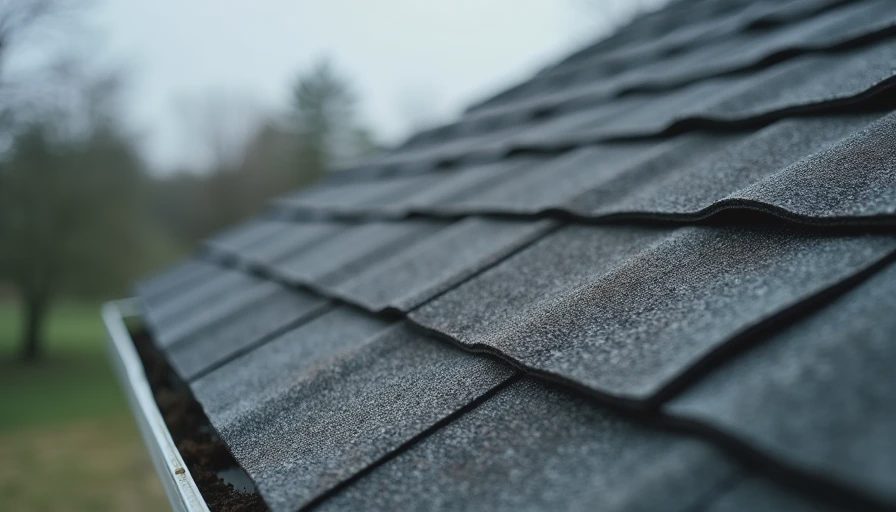
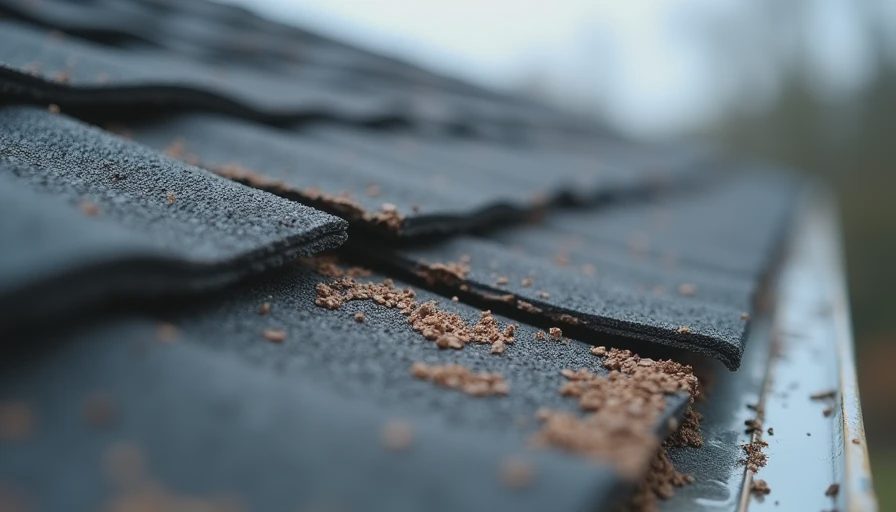
From the ground or a safe ladder, look first at the overall field of the roof rather than individual problem spots. Consistent granule loss across large areas, especially on the southern and western exposures, is common on older asphalt shingles. Granules protect the asphalt from ultraviolet light. When they wear away in broad sheets, the underlying material becomes more brittle. That is normal aging. It becomes a stronger signal when the loss is uneven—heavy in some courses, lighter in others—or when the shingles themselves begin to cup, curl, or crack along the edges.
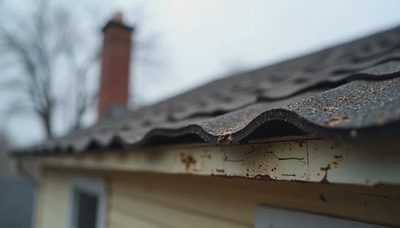
Curling at the edges is one of the more visible changes. Mild curling can appear after fifteen or twenty years and still leave the roof watertight. When the tabs lift enough to catch wind or when the corners break off under light pressure, the material has lost flexibility. Soft spots underfoot are more serious. If you can feel give in the decking while walking carefully in dry weather, the problem has moved past the shingles into the substrate. That condition rarely improves with surface repairs.
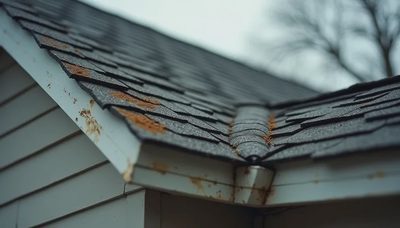
Pay attention to the flashings as well. On older homes the metal around chimneys, sidewalls, and valleys is often original or was replaced only partially during earlier work. Look for rust along the seams, gaps where the metal has pulled away from the wall, or sealant that has cracked and separated. Sealant is a temporary fix. When you see repeated layers of caulk, the underlying flashing detail is no longer reliable.
Valleys deserve special attention. Water concentrates there. On older roofs the valley metal or woven shingles can show wear earlier than the open field. Staining, granule accumulation in the valley, or visible thinning of the metal are worth noting.
The Attic Often Tells a Clearer Story
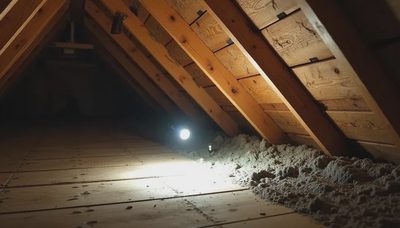
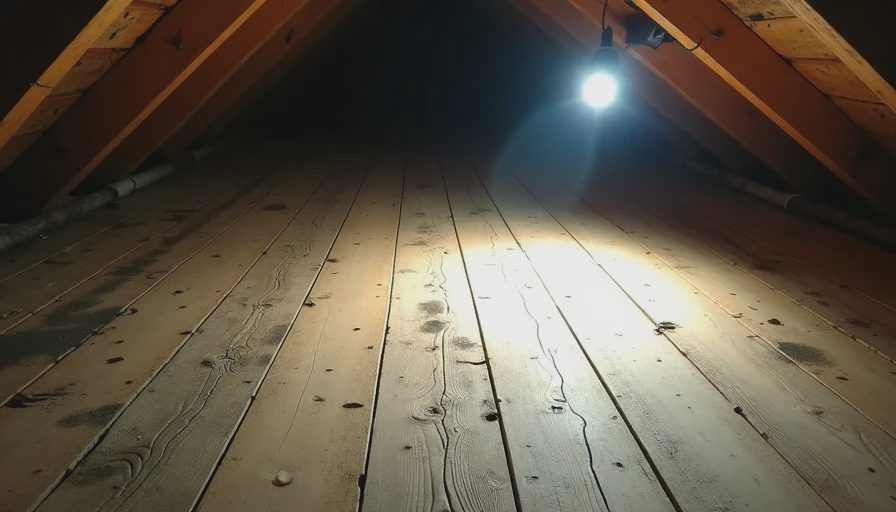
Many of the most useful clues sit above the living space. On a dry day, go into the attic with a bright flashlight. Look at the underside of the roof decking. Dark staining that follows the slope of the rafters or appears around nail penetrations can indicate long-term moisture movement. Fresh wet spots after rain are more urgent. Widespread darkening without active leaks can still signal that the decking has absorbed moisture over years and may no longer hold fasteners as well as it once did.
Check the insulation and the tops of the ceiling joists. Discolored or matted insulation under the roof plane often points to condensation or past leaks that were never fully addressed. In older homes the original ventilation was frequently minimal. Ridge vents may have been added later without proper cutouts, or soffit vents may be blocked by insulation. Poor airflow accelerates shingle aging from the underside and can create conditions that look like roof failure when the primary issue is ventilation.
I used to write the same observation on many claim files: the exterior looked tired, but the attic showed either clear moisture history or almost none. That distinction changed the recommended scope more often than the age of the shingles alone.
Leak Behavior Matters More Than a Single Stain
A single water stain on a ceiling does not automatically mean the roof is finished. Older houses settle. Plumbing can leak. Condensation can form around bathroom fans that were never ducted outside. The useful questions are frequency and pattern. Does the stain reappear after ordinary rain, or only after wind-driven storms? Has the same location needed repair more than once? Are there multiple stains that line up with valleys, penetrations, or the lower edges of the roof?
Recurring leaks in the same area after previous repairs suggest that the underlying detail—flashing, valley, or decking—has reached the point where patchwork no longer holds. Random, one-time stains that dry out and do not return are less conclusive. Document the dates and the weather conditions when stains appear. That record becomes valuable when you later compare contractor opinions or discuss the situation with an insurance adjuster.
Age Is Context, Not a Deadline
Manufacturers publish expected service lives for asphalt shingles, usually in the twenty-to-thirty-year range for common residential products. Those numbers assume proper installation, adequate ventilation, and average weather exposure. On older homes the actual performance varies widely. A roof installed with good ventilation and careful flashing can outlast its rated life. A roof installed over marginal decking or with poor attic airflow can develop problems earlier.
I never treated calendar age as the deciding factor. I treated it as context. A twenty-five-year-old roof with intact granules, flexible tabs, dry attic decking, and no recurring leaks is in a different category from a fifteen-year-old roof that already shows widespread curling, soft spots, and repeated valley leaks. The first may still have useful life. The second is closer to the end of reliable performance.
Putting the Signals Together
No single observation proves that a roof is worn out. The stronger case appears when several signals align:
Broad granule loss combined with curling or cracking tabs
Soft or stained decking visible from the attic
Flashings that show repeated sealant repairs or active gaps
Leak patterns that return after previous fixes
Ventilation that is clearly inadequate for the attic volume
When only one or two of those are present, the roof may still respond to targeted repair. When most of them appear together, full replacement usually becomes the more rational long-term choice.
Homeowners sometimes feel pressured to decide on the same day a contractor walks the property. That pressure is rarely helpful on older houses. The roof will still be there the next day. Taking time to look at the attic, photograph the problem areas, and write down what you observe gives you a baseline that any later conversation can be measured against.
A Practical Sequence for Homeowners
Begin with a calm exterior walk-around on a clear day. Note the overall appearance of the shingle field, the condition of the edges, and the state of the flashings and valleys. Then go into the attic. Record what you see on the underside of the decking and around any penetrations. Write down the approximate age of the current roof if you know it, along with any previous repair history. Finally, review the leak history of the house—dates, locations, and whether the same spots have needed attention more than once.
That sequence does not require specialized tools. It does require deliberate attention. The notes you produce become the foundation for every contractor discussion that follows. When a proposal arrives, you can compare its scope against the conditions you actually observed rather than against a general sales narrative.
Older roofs do look tired. Some of them are also worn out. The difference is visible if you know where to look and what combinations of signals matter. Reading the roof carefully is still the most reliable way to decide what it needs next.