The original roofing quote on an older home often feels complete. It lists the shingles, a basic underlayment, and a total price. Then the old covering comes off and the number starts to move. Soft decking appears in places that looked sound from the attic. Flashings that seemed serviceable prove too corroded to reuse. Ventilation that was assumed adequate turns out to need improvement. Each of these items is real work. Each of them carries cost that was easy to overlook while the roof was still intact.
I’m Heath Bannister. For more than a decade I reviewed residential claims and contractor estimates on houses built from the 1950s through the early 1980s. The files that produced the largest gaps between the first number and the final cost almost always involved the same set of budget items. None of them is exotic. All of them become visible only after tear-off begins. Understanding them in advance gives homeowners a more realistic frame for the quotes they receive.
Decking Replacement: The Largest Frequent Surprise
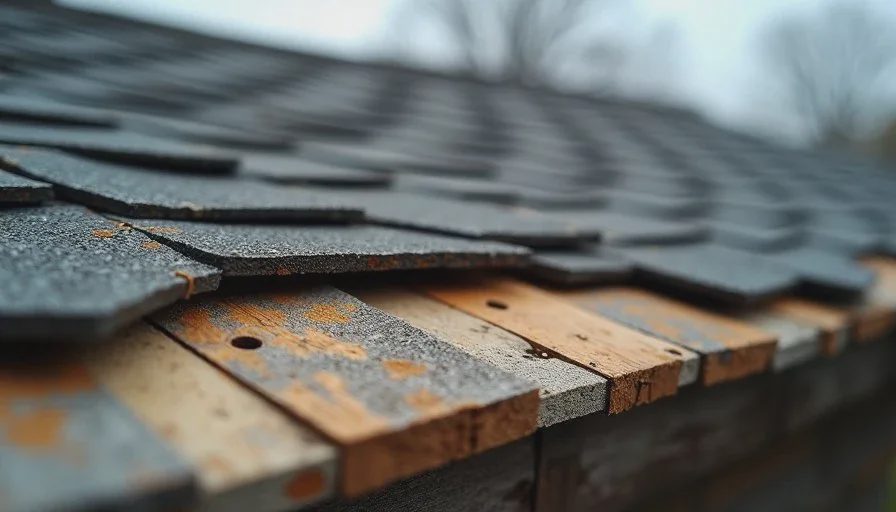
Decking is the structural surface that holds the shingles. On older homes it is often original board sheathing or early plywood. From the attic it can look dry and serviceable. Once the shingles and underlayment are removed, soft spots, prior water staining, and widespread nail holes from previous roofs become obvious.
Most initial quotes either include a modest allowance for replacement or list a per-sheet price without a firm quantity. When the actual amount of damaged wood exceeds the allowance, the cost rises. The increase is not theoretical. Each sheet or board requires material, labor to cut and fit, and time. On a roof that has already been through multiple covering cycles, the quantity can climb quickly.
The practical response is to treat decking as a variable rather than as a fixed part of the base number. Ask for the unit price and the decision criteria before work starts. That information does not eliminate the possibility of extra cost, but it removes the sense that the item appeared without warning.
Flashing and Penetration Work
Flashings keep water out at every joint and penetration. On older homes they are frequently original or have been maintained with repeated applications of sealant. From the ladder they can look intact. Once the surrounding shingles are gone, corrosion on the hidden faces, separated seams, and prior patches become visible.
Step flashing along sidewalls, counter flashing at chimneys, and valley metal are the most common sources of added cost. Plumbing boots and other penetration collars are close behind. Many of these components become brittle with age and are best replaced while the roof is open. A quote that assumes reuse will later require change orders when the metal proves unsuitable. A quote that already includes replacement carries a higher starting number and fewer later additions.
Valleys deserve separate attention. Water volume is higher there, and older valley details often show wear earlier than the open field. Upgrading the underlayment and metal in the valleys adds cost that is easy to miss in a surface-level comparison of totals.
Ventilation Improvements
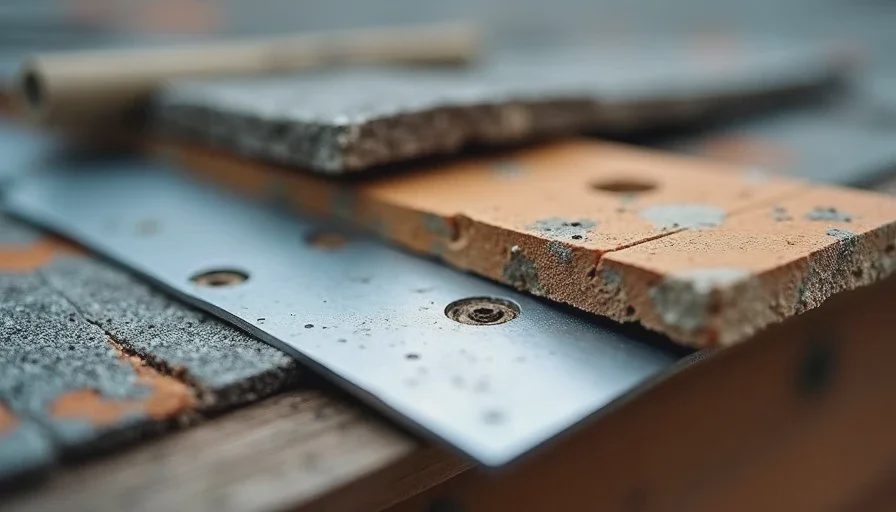
Many older attics were built with limited intake and exhaust. Soffit vents may be undersized or blocked by insulation. Ridge vents may have been added later without continuous cuts. Static vents may be spaced too far apart. A new roof installed over the same restricted airflow will age faster than necessary.
Improving ventilation often requires additional ridge cutting, new intake at the eaves, and baffles to keep insulation clear. These changes are beneficial. They also add labor and material that may not have been fully priced in a basic replacement quote. When the original proposal simply matches the existing arrangement, any later decision to improve airflow becomes an extra.
Homeowners who ask for a written ventilation plan before signing can see whether the quoted number already includes meaningful improvement or leaves that decision for later.
Fascia, Drip Edge, and Gutter Interfaces
The edges of the roof meet the fascia boards and the gutter system. On older homes the fascia may have absorbed moisture along the top edge. Drip edge may be missing, undersized, or corroded. Gutter aprons or other transition pieces may need renewal for the new roof to shed water cleanly.
These items are rarely the largest cost on the job, yet they appear with enough frequency to affect the final number. A quote that is silent on fascia and drip edge leaves the decisions open until the edges are exposed. A quote that addresses them in writing reduces the chance of surprise.
Underlayment Extent and Ice-and-Water Shield
Basic underlayment is usually included. The extent of ice-and-water shield can vary more than homeowners expect. Some proposals limit it to the eaves. Others include valleys, penetrations, and additional areas. On an older home that has already shown vulnerability at those locations, wider coverage is often the more durable choice. Wider coverage also costs more. The difference is easy to miss if the proposals are compared only by total price and shingle brand.
Code-Related or Matching Requirements
In some jurisdictions, work on an existing roof triggers requirements for matching, for updated ventilation, or for other details that were not part of the original construction. These items are not universal, but when they apply they add cost that the initial quote may not have fully anticipated. Asking whether any code upgrades are expected in the specific location helps surface the issue early.
Why These Items Stay Hidden Until Tear-Off
The common thread is visibility. Decking condition, the back side of flashings, the true state of the fascia, and the adequacy of ventilation pathways are difficult to assess completely while the old roof is still in place. Estimators make reasonable assumptions based on what they can see. On older homes those assumptions are simply more likely to be incomplete.
This is not evidence of poor estimating. It is the result of working on a structure that has already accumulated decades of weather, previous repairs, and original construction practices that differ from current standards. The practical response is to treat the original quote as a starting framework and to insist on clear unit prices and decision criteria for the variables that most often change.
How to Bring the Hidden Items into View Before Work Starts
A short set of clarifying steps reduces the size of later surprises:
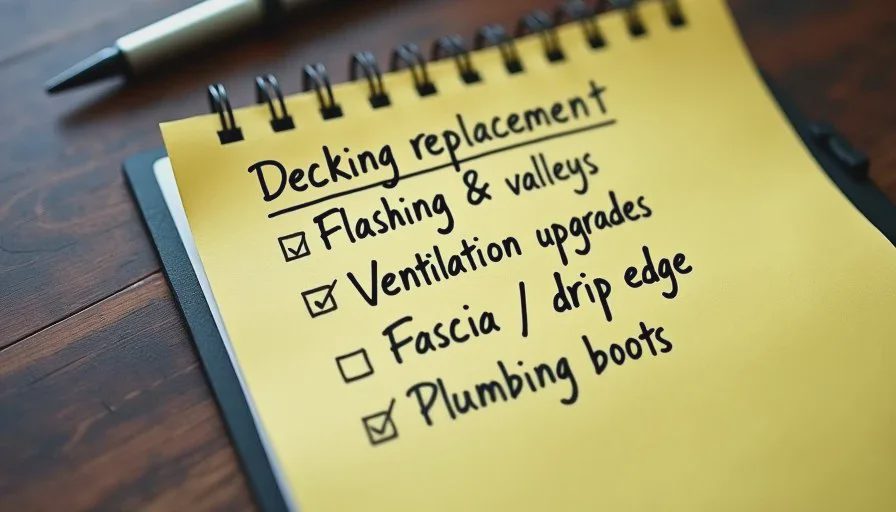
Ask for the per-sheet decking price and the standard used to decide which boards are replaced.
Confirm whether step flashing, chimney flashing, and valleys are included as new or will be evaluated during tear-off.
Request a written description of the ventilation plan.
Ask how fascia, drip edge, and plumbing boots will be handled.
Clarify the extent of ice-and-water shield.
Confirm how any additional work will be priced and approved.
Write the answers next to each proposal. The comparison then rests on how each contractor has already addressed the items that most frequently expand the budget, rather than on the initial total alone.
Keeping the Final Number Closer to Expectations
Complete elimination of change orders is rarely possible on an older house. Meaningful reduction of surprise is possible. The homeowners who experienced the smallest gaps were usually those who treated decking, flashing, ventilation, and edge details as expected variables rather than as unexpected extras. They asked for unit prices and written plans before the contract was signed. When additional work appeared, it arrived as a continuation of a conversation that had already begun rather than as a new and unwelcome development.
The goal is not to avoid spending money on necessary work. The goal is to spend it with eyes open. The budget items that remain invisible until tear-off are the ones that most often disrupt that clarity. Naming them early keeps the cost conversation grounded in the actual house rather than in a generic square-foot average.
Older roofs carry more history than newer ones. That history becomes visible, board by board and flashing by flashing, once the covering comes off. Reading the likely budget items in advance is one of the most useful steps an owner of an older home can take before the first shingle is removed.