When homeowners compare roofing quotes, the shingle brand and the total price usually receive the most attention. On older homes those two numbers often explain less of the difference between proposals than four other line items: underlayment, decking, flashing, and ventilation. Each of these can vary widely in scope and cost. Together they frequently account for the largest gaps between the low bid and the higher ones.
I’m Heath Bannister. After more than a decade reviewing residential claims and contractor estimates on houses built from the 1950s through the early 1980s, I learned to read quotes from the middle out rather than from the total down. The shingle selection mattered. The assumptions about what lay beneath and around the shingles mattered more. This article examines the four line items that most often move the price on an older roof and how to evaluate them before any contract is signed.
Decking: The Largest Variable
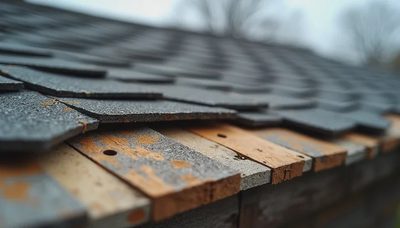
Decking is the wood surface that carries the roof. On older homes it is commonly original board sheathing or early plywood. Its condition cannot be fully known until the old covering is removed. That uncertainty alone creates wide differences in how contractors price the job.
Some proposals include a modest fixed allowance for replacement boards. Others list a per-sheet price and leave the quantity open. Still others remain nearly silent on the subject. A low allowance keeps the initial number attractive but raises the likelihood of change orders. A higher allowance or a clearly stated unit price raises the starting number and reduces later surprise. Neither approach is automatically correct; clarity is what makes the number usable.
When I compared estimates, the decking line was often the single largest source of divergence. Two contractors could price the same shingle and the same labor rate and still land thousands of dollars apart because one expected limited decking work and the other expected more. Asking for the unit price and the decision criteria before work begins does not eliminate the variable, but it brings it into the open.
Flashing: The Details That Keep Water Out
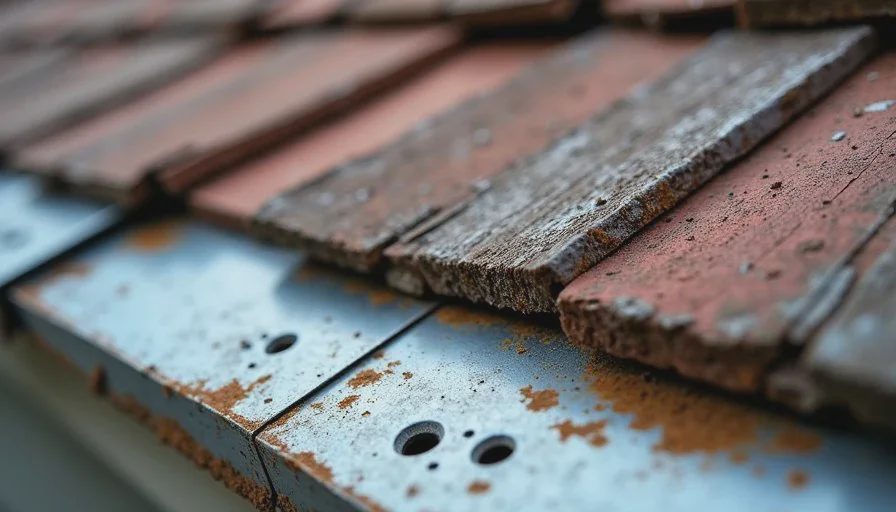
Flashings are the metal components that protect every transition—sidewalls, chimneys, valleys, and penetrations. On older homes these pieces are frequently original or have been maintained with repeated applications of sealant. Reusing them carries risk. Replacing them adds cost.
Proposals differ sharply on this point. One may assume existing flashings can stay. Another may specify full replacement of step flashing and chimney counter flashing. A third may treat valleys as a standard detail while a fourth upgrades the underlayment and metal work. Each choice moves the price. Because flashings are less visible than the shingle field, the differences are easy to miss in a quick comparison of totals.
Valleys deserve particular attention. Water concentrates there, and older valley details often show wear earlier than the open field. A scope that already includes proper valley treatment will usually sit higher than one that does not. The higher number is not automatically better, but it is more complete.
Underlayment and Ice-and-Water Shield
Underlayment is the secondary barrier between the shingles and the decking. Ice-and-water shield provides extra protection at the most vulnerable locations—eaves, valleys, and around penetrations. Both products come in different grades and coverage extents, and both affect price.
Some proposals list a basic synthetic underlayment and limited ice-and-water shield at the eaves only. Others specify higher-grade material and wider application in valleys and at penetrations. On an older home that has already shown vulnerability at those locations, the more extensive approach is often the more durable choice. It is also the more expensive one. When two quotes list the same shingle but differ in underlayment and ice-and-water shield, the price gap is frequently explained by those choices rather than by markup on the visible surface.
Clear product names and stated coverage locations turn these line items into something that can be compared and later verified. Vague references to “standard underlayment” make both comparison and accountability difficult.
Ventilation: The Line Item That Affects Longevity
Ventilation does not appear on the roof surface, yet it influences how long the new shingles will last. Many older attics were built with limited intake at the eaves and limited exhaust at the ridge. Installing a new roof over the same restricted airflow simply continues the previous heat and moisture load.
Contractors differ in how they handle this reality. One proposal may match the existing ventilation with minimal change. Another may add continuous ridge vent, improve soffit intake, and install baffles to keep insulation clear. The second approach costs more in labor and material. It also gives the new roof a better environment in which to perform.
When ventilation is left unaddressed in the quote, the price looks lower and the long-term risk looks higher. When it is clearly described, the price rises and the performance outlook improves. Homeowners who ask for a written ventilation plan can see which approach each contractor has actually priced.
How These Four Items Interact on Older Homes
On a newer house the four line items tend to behave more predictably. On an older house they interact with decades of prior work, original construction choices, and accumulated weather history. Decking may be thinner or more heavily nailed than current standards. Flashings may have been patched rather than replaced. Underlayment from previous roofs may still be present. Ventilation may never have been adequate.
Because each of these conditions is only partly visible before tear-off, contractors must make assumptions. Different assumptions produce different prices. The lowest number often reflects the most optimistic set of assumptions. The higher numbers often reflect more conservative expectations about what will be found once the old covering is gone.
Neither approach is inherently dishonest. The useful distinction is transparency. A quote that states its assumptions about decking, flashing, underlayment, and ventilation can be evaluated. A quote that leaves those assumptions unstated cannot.
A Practical Way to Compare the Line Items
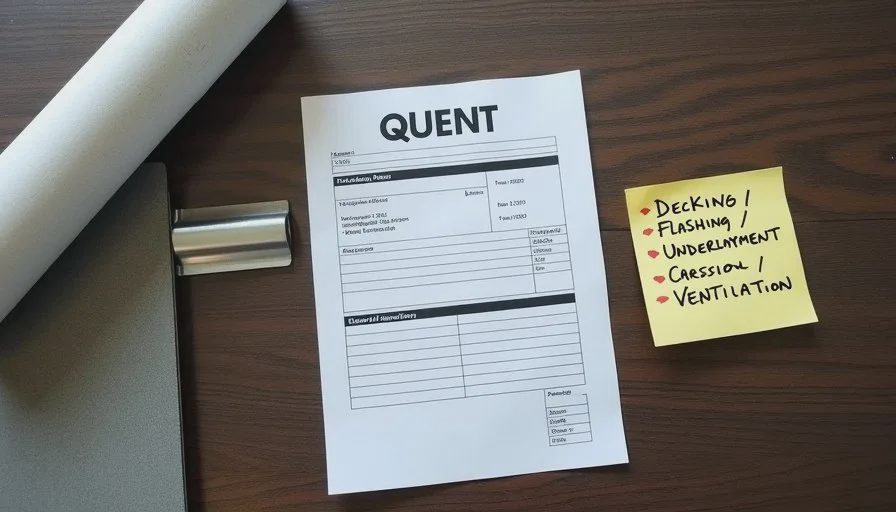
When the proposals arrive, create a simple side-by-side list for the four drivers:
Decking: allowance amount, per-sheet price, or silence
Flashing: replace, reuse, or evaluate later; valley treatment
Underlayment and ice-and-water shield: product and coverage locations
Ventilation: match existing or improve; specific measures listed
Fill in what each proposal actually says. The finished comparison usually shows that the numerical gap is the result of different choices rather than arbitrary pricing. A higher total that already includes realistic decking expectations, full flashing replacement, adequate underlayment, and improved ventilation may represent a more accurate picture of the work the house needs. A lower total that leaves those items open may simply defer the cost.
Questions That Bring the Numbers into Focus
A short set of clarifying questions makes the line items visible:
What is the per-sheet price for decking, and what standard do you use to decide which boards are replaced?
Will step flashing and chimney counter flashing be replaced as part of this number?
What underlayment and ice-and-water shield products are included, and where will they be applied?
What ventilation improvements, if any, are in this proposal?
The answers turn four opaque cost centers into comparable components. Once they are on paper, the total price becomes much easier to interpret.
Why the Shingle Price Is Only Part of the Story
Shingles are the most visible product and the easiest to compare by brand and warranty length. On older homes they are rarely the largest source of price variation. The structure that holds them, the details that seal the transitions, the barrier beneath them, and the airflow around them determine both the final cost and the long-term performance. Reading those four line items carefully is one of the highest-leverage steps a homeowner can take when evaluating quotes.
The goal is not to choose the highest number or the lowest one. The goal is to choose the scope whose assumptions about underlayment, decking, flashing, and ventilation most closely match the actual conditions of the house. When that match is clear, the price—whatever it is—rests on a foundation that both parties can see.