The attic often tells the truth before the ceiling does. Attic signs of roof damage can reveal a small flashing failure, a slow shingle leak, or widespread moisture that has not reached the living space yet. In an older house, that early evidence matters because roof problems can spread into insulation, roof decking, rafters, and interior walls. You do not need to climb onto the roof to begin a useful inspection. A flashlight, camera, screwdriver, and careful look from inside can help you decide whether to monitor, repair, or request a full roof evaluation.
Why the attic is often more useful than the ceiling
A ceiling stain shows where water finally appeared, not necessarily where it entered. Water can travel along rafters and decking before dripping into a room several feet away. That is why attic signs of roof damage deserve attention even when the drywall looks clean. Look for darkened wood, rusty nails, damp insulation, peeling plywood layers, and trails that resemble brown or gray streaks. Fresh moisture is especially important, so inspect after rain if it is safe to enter the attic.
Older homes hide problems differently. Roof decking may be made from older boards rather than modern plywood, and small gaps can open as materials age. A roof may also have several layers of shingles, outdated flashing, or a ventilation arrangement that traps warm, wet air. These conditions do not automatically mean replacement, but they make a quick glance from the driveway less reliable. Photograph each finding with a nearby object for scale, and write down the date and weather conditions.
The attic signs that deserve the fastest response
Some attic signs of roof damage point to active water entry. Wet insulation, dripping water, or visibly soft decking should not be treated as a cosmetic concern. Move valuables away from the area, place a container beneath a drip, and avoid touching electrical wiring near moisture. If the ceiling is bulging, do not stand directly beneath it; trapped water can add substantial weight to drywall.
Other warning signs develop slowly. Look for black or green surface growth on wood, compressed insulation near an exterior wall, and rust around nails or metal connectors. Mold-like discoloration can have several causes, including condensation, so do not assume every dark mark proves a roof leak. A roofing professional should trace the moisture path and distinguish roof failure from plumbing leaks, bathroom exhaust problems, or inadequate attic ventilation.
Shingle granules in gutters are another clue when combined with attic evidence. A few granules after installation are normal, but heavy accumulation on an older roof can indicate surface wear. Curled shingle edges, exposed fasteners, missing tabs, and deteriorated pipe boots increase the odds that water is entering somewhere above the attic.
How to inspect without creating a new problem
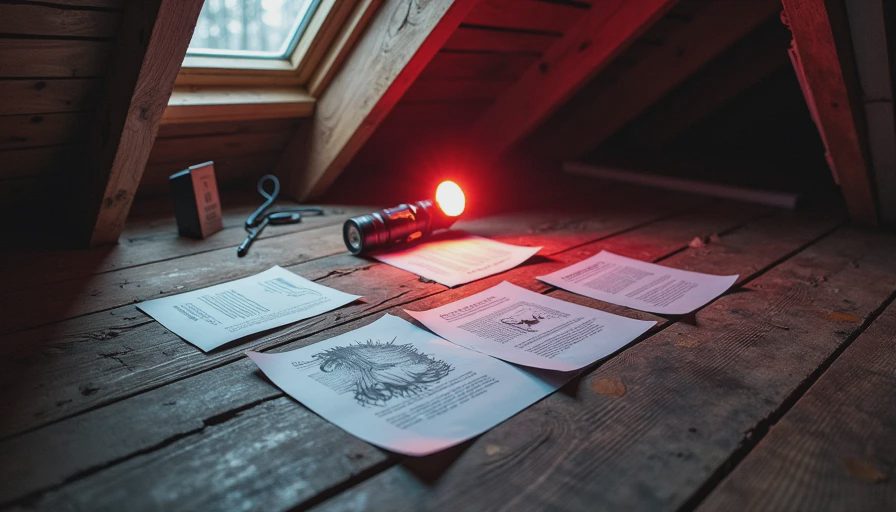
Start during daylight with the attic access area, then work toward the roof edges. Keep your weight on framing members, not between them, because the ceiling material may not support you. Use a bright flashlight to examine the underside of the decking, especially around valleys, chimneys, skylights, plumbing vents, and roof-to-wall intersections. Those locations have more seams and are common failure points.
Attic signs of roof damage are easier to compare when your notes are organized. Take wide photos showing the room, medium photos showing the roof section, and close photos of stains, rust, or soft wood. Mark the location on a simple sketch of the attic. If a contractor later says the issue is limited to one penetration, you can compare that explanation with your records rather than relying on memory.
Do not spray bleach, scrape suspected mold, or pull out wet insulation before documenting the condition. Those actions can remove evidence and spread contaminated dust. If insulation is soaked, have the source addressed first and ask how the material should be dried or replaced. A moisture meter can provide useful information, but it is not a substitute for tracing the roof assembly.
Repair, maintenance, or full replacement?
One isolated stain does not automatically require a new roof. A failed plumbing boot, loose flashing section, or small puncture may be repairable for a few hundred dollars, depending on access and the surrounding materials. The repair should include finding the entry point, replacing damaged components, and checking the attic afterward. Simply applying roofing cement over a visible gap is rarely a complete solution.
Replacement becomes more reasonable when attic signs of roof damage appear in several areas, the decking is deteriorated, or the shingles are near the end of their expected service life. A typical asphalt shingle roof may last roughly 15 to 30 years depending on product quality, installation, ventilation, weather, and maintenance. Older roofs can also have brittle shingles that break during attempted repairs. A contractor should explain whether the existing material can be worked on without causing additional loss.
Get at least two written scopes before approving major work. Compare underlayment, flashing, ventilation, drip edge, ridge caps, starter shingles, decking allowances, cleanup, and warranty language. A $9,000 quote and a $14,000 quote may describe very different jobs rather than reflect simple contractor markup. The lower number is not a bargain if it excludes damaged decking or reuses failing flashing.

When insurance may enter the conversation
Home insurance generally responds to sudden, covered causes such as wind or hail, not ordinary aging or deferred maintenance. A roof that gradually wears out usually remains a maintenance expense. However, a documented storm can damage shingles, flashing, or other components, and attic signs of roof damage may help establish that water entered after the event.
Photograph the attic before making non-emergency repairs, save receipts for temporary protection, and record the storm date if you know it. Do not ask a contractor to promise that insurance will pay. The insurer determines coverage under the policy, while the contractor can document visible damage and prepare a repair estimate. Roof age, policy language, deductible, and the difference between actual cash value and replacement cost can materially change the payment.
A claims conversation should remain separate from the contractor-selection decision. An adjuster may identify covered damage, but you still need to evaluate the crew, scope, licensing requirements, proof of insurance, and workmanship terms. Be cautious when anyone asks you to sign an assignment immediately or offers to waive your deductible.
What a sensible next step looks like
If you find a small, dry stain, photograph it and inspect the area again after the next substantial rain. If the stain grows, insulation is wet, or wood feels soft, schedule a roof and attic evaluation promptly. Ask the contractor to identify the entry point, describe the repair method, and state whether any decking or ventilation work is excluded. Those questions turn a vague recommendation into a checkable plan.
The best assessment connects interior evidence with exterior conditions. It should explain whether the roof has one localized defect, several repair points, or a pattern of aging that makes replacement more practical. Ask for photographs from both sides of the roof and a line-item scope rather than accepting a one-page total.
Older homes need patient judgment, not a sales script. Read the evidence, compare the scope, and keep your documentation. Don’t buy the pitch. Read the roof.