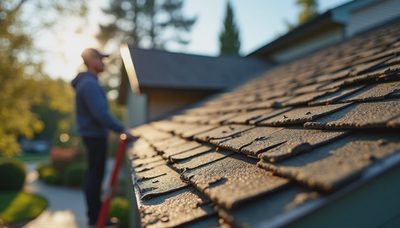
Curling shingles are one of the clearest visible warnings that an older roof deserves a closer inspection. The corners or edges may lift, the surface may look wavy, or entire tabs may appear to pull away from the roof. That does not automatically mean you need a full replacement tomorrow, but it does mean the roof is no longer aging normally. Before you accept a contractor's first recommendation, determine whether the curling is isolated, widespread, storm-related, or connected to a deeper installation problem.
I have reviewed enough old-house estimates to know that one dramatic photograph can lead homeowners in the wrong direction. A few damaged tabs can often be repaired. Curling shingles across multiple slopes usually point to a roof system approaching the end of its useful life. The distinction matters because a small repair might cost $250 to $800, while replacing an asphalt roof on an older house can easily run from $9,000 to $22,000 or more.
Why shingles curl in the first place
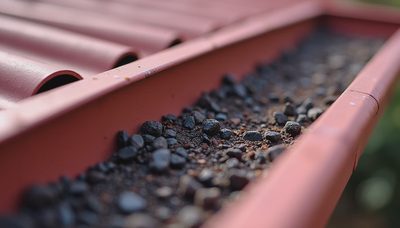
Age is the most common explanation. Asphalt shingles lose oils and flexibility as years of sun, heat, freezing weather, and rain take their toll. The lower edges can shrink, while the adhesive strips lose their grip. On a roof that is 15 to 25 years old, curling shingles may simply be part of normal deterioration, especially if granules are collecting in gutters and the shingle surface looks brittle.
Poor ventilation can accelerate the process. An attic that stays excessively hot can bake the underside of the roof deck and shorten shingle life. Blocked soffit vents, too few exhaust vents, or an improperly installed ridge vent can all contribute. Ventilation is not a magic cure for an already failing roof, but correcting it can protect a replacement roof from repeating the same pattern.
Installation problems also matter. Shingles installed over an uneven deck, placed on top of too many old layers, or fastened incorrectly may curl much earlier than expected. A roof with exposed nails, weak adhesive bonds, or inconsistent spacing deserves a careful review. If curling shingles appeared only a few years after installation, ask for the original contract and installation records before assuming the material itself was defective.

How to inspect curling shingles safely
Start from the ground. Use binoculars to compare the lower edges, ridge lines, valleys, and roof sections above porches or additions. Look for repeated patterns rather than one damaged shingle. Curling shingles scattered across one slope suggest a different problem from uniform curling on every side of the house.
From the attic, inspect the underside of the roof deck for dark stains, daylight, damp insulation, rusty nails, or soft areas. A leak may not appear directly beneath the visible roof damage because water can travel along rafters before entering the ceiling. Inside the living space, check ceilings near exterior walls, chimneys, skylights, and bathroom exhaust fans.
Do not climb onto a steep or wet roof just to take a closer photograph. Roofing surfaces become particularly slippery when granules are loose. A qualified roofer can examine shingle adhesion, flashing, valleys, pipe boots, and decking without turning a simple inspection into a safety problem. Ask for dated photographs that show both the overall roof plane and close views of the reported defects.
Repair or replacement?
Repair is more reasonable when curling shingles are limited to a small area, the roof is relatively young, and the surrounding shingles remain flexible and well bonded. A roofer may replace damaged tabs, reseal lifted edges, repair flashing, or correct a small ventilation obstruction. Matching can be difficult when the existing color has faded, so a visibly different patch is not necessarily evidence of poor workmanship.
Replacement deserves serious consideration when curling shingles cover several roof planes, when tabs break during inspection, or when the roof has additional problems such as widespread granule loss, exposed underlayment, missing shingles, or recurring leaks. A repair can stop one opening while leaving the rest of the aging system vulnerable. On an older house, replacing only the obvious area may also make future repairs harder because the original material is no longer available.
Insurance usually does not cover ordinary aging or maintenance-related curling. A covered wind or hail event may be relevant if there is documented damage, but the policy, roof age, exclusions, and state rules affect the outcome. Photograph the roof before temporary work, save invoices, and avoid asking a contractor to describe wear as storm damage without evidence. Honest documentation protects you during the claim process.
What a complete replacement quote should show
A clean quote is not always a complete quote. It should identify the shingle manufacturer and product line, the number of layers being removed, the underlayment, ice-and-water protection where applicable, flashing scope, ventilation work, pipe boot replacement, cleanup, permits, and warranty terms. It should also explain how rotten decking will be priced. Many contractors charge a stated amount per sheet after the roof is opened, commonly around $75 to $150 per sheet, though local labor and material costs vary.
Compare quotes by scope, not by the bottom-line number alone. One contractor might include new step flashing and starter shingles while another carries only tear-off and field shingles. Brands such as GAF, Owens Corning, and CertainTeed offer multiple product tiers, so the brand name by itself does not tell you what is included. Request a line-by-line explanation in plain language.
A credible contractor should provide proof of liability insurance and workers' compensation coverage, applicable licensing information, references for comparable older homes, and a written workmanship warranty. Be cautious when a salesperson says the roof must be signed today to preserve a discount. Curling shingles are important, but pressure is not a substitute for a sound scope.
A practical decision process for homeowners
First, document the roof's age and gather previous invoices, inspection reports, and insurance correspondence. Second, photograph the exterior from consistent locations and note any interior stains after rain. Third, obtain at least two detailed inspections from contractors who are willing to explain what they see rather than simply announce a replacement total.
Then separate urgent defects from long-term planning. An active leak around a chimney, valley, or vent needs prompt temporary protection and a focused repair. A dry roof with widespread curling still needs a replacement budget, but you have time to compare materials, schedule work, and investigate ventilation. Ask each contractor whether the deck, flashing, and ventilation assumptions are included or excluded.
Finally, read the warranty and payment schedule. Avoid paying the entire contract before materials arrive and work begins. Confirm who handles permits, debris removal, magnetic nail cleanup, and follow-up if a ceiling stain appears after completion. Once the crew leaves, inspect exposed flashing, ridge vents, pipe boots, and the yard before making the final payment.
The bottom line on curling shingles
Curling shingles are a signal, not a complete diagnosis. They can reflect age, heat, poor ventilation, installation defects, or a combination of conditions. Limited damage on a younger roof may justify repair, while broad curling on an older roof usually supports replacement planning. The best next step is a documented inspection and a scope comparison, not a rushed signature.
Older homes hide problems differently because additions, chimneys, uneven decking, and previous roof layers complicate the picture. Read the estimate as carefully as you read the roof. Don’t buy the pitch. Read the roof.