Roof life expectancy is not a single expiration date printed on your house. It is a working estimate shaped by roofing material, installation quality, weather, attic ventilation, maintenance, and the condition of the underlying decking. A 20-year-old asphalt roof in a mild climate may have useful service left, while a younger roof exposed to repeated hail, heat, or poor ventilation can show serious deterioration. The right question is not simply, “How old is it?” It is, “What evidence shows the roof can keep protecting the house?”
Typical service life by roofing material
Standard three-tab asphalt shingles commonly last about 15 to 20 years. Architectural asphalt shingles often reach 20 to 30 years when installed correctly and maintained. Premium designer shingles can last longer, but the warranty brochure is not a guarantee that every roof will reach that age. Wood shakes may serve for roughly 20 to 30 years, while standing-seam metal roofing can last 40 to 70 years or more. Clay and concrete tile often have long material lives, although fasteners, underlayment, flashing, and broken pieces still need attention.
These ranges describe materials under reasonably favorable conditions. The roof on an older house may have several layers, patched valleys, outdated flashing, or a sagging deck that changes the decision. A contractor who says your roof has “another ten years” should explain what supports that estimate. Ask for close photographs of shingles, penetrations, valleys, eaves, and flashing instead of accepting a number based only on curb appeal.
What shortens roof life expectancy
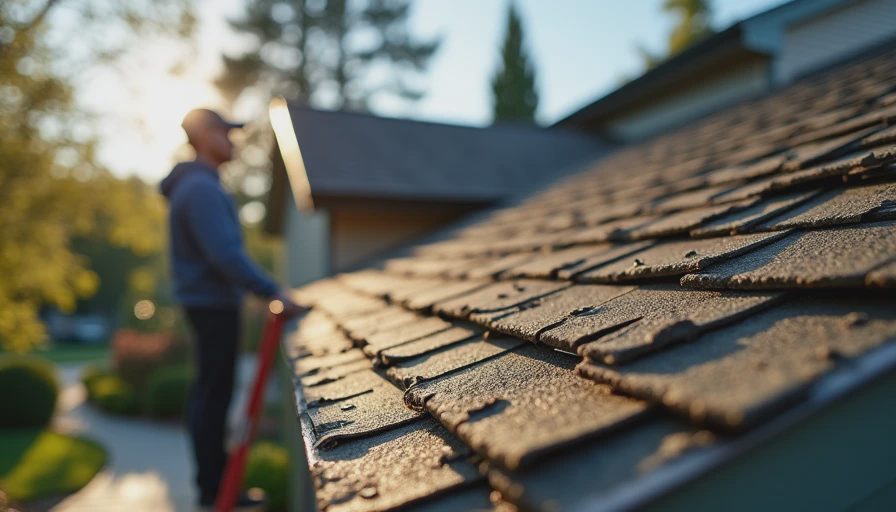
Sun exposure is one of the biggest wear factors for asphalt shingles. Dark slopes facing intense afternoon sun can become brittle sooner than shaded slopes. Storms create another problem: wind can lift tabs, hail can bruise the mat, and falling branches can damage both shingles and decking. Repeated freeze-thaw cycles, coastal moisture, and heavy debris also accelerate deterioration.
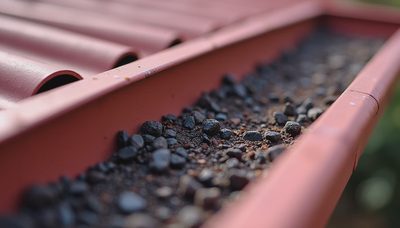
Ventilation matters more than many homeowners realize. An attic that stays excessively hot can age shingles from below, while trapped moisture can damage sheathing and create mold-friendly conditions. Blocked soffit vents, missing ridge vents, and bathroom exhaust ducts that terminate in the attic are common older-home problems. Gutters clogged with granules do not prove the roof is finished, but a steady accumulation of granules combined with bald spots and curling edges is a meaningful warning.
Installation quality affects the roof life expectancy from the first day. Poorly placed nails, exposed fasteners, weak valley work, reused flashing, and inadequate underlayment can cause leaks long before the shingles appear uniformly worn. Older homes hide problems differently, so inspect the attic as well as the roof surface.
Signs the roof is nearing replacement
Look for cracked, curled, cupped, or missing shingles; dark streaks caused by algae; exposed fiberglass mat; and areas where granules have worn away. A few isolated defects can often be repaired, especially when the rest of the field shingles remain flexible and consistent. Widespread brittleness, repeated wind loss, and patches across several slopes point toward replacement rather than an endless repair cycle.
Inside the house, inspect the attic after rain. Dark stains around nails, damp insulation, daylight through the roof deck, and musty smells deserve attention. On the upper floors, look for peeling paint, discolored ceilings, or water marks near chimneys and exterior walls. A leak does not always appear directly below the entry point because water can travel along rafters before it becomes visible.
Age alone should not force an immediate replacement, but age changes the cost of being wrong. A roof at year 17 may survive another season, yet a small flashing failure can damage insulation, drywall, framing, and flooring. Photograph changes over time and schedule a roof assessment before the next severe weather season.

Repair, replacement, or a second opinion?
A repair makes sense when damage is limited and matching materials are available. Replacing a handful of blown-off shingles or resealing a sound flashing transition can cost far less than a full project. Repairs become less attractive when leaks recur in different areas, shingles are discontinued, or the roof has multiple layers of deteriorated patches. In those cases, you may spend $500 to $2,000 addressing symptoms without solving the larger problem, depending on access and damage.
For a full asphalt replacement, many U.S. homeowners encounter broad project ranges from roughly $8,000 to $18,000, though roof size, pitch, region, tear-off layers, decking, ventilation, and material selection can move the number substantially. A clean quote is not always a complete quote. Confirm whether it includes permits, disposal, ice-and-water protection where appropriate, drip edge, pipe boots, flashing, ridge ventilation, and replacement of damaged decking.
Get at least two detailed scopes when the recommendations differ. One contractor may include new flashing and ventilation while another prices only shingles. Comparing totals without comparing scope is how homeowners mistake a low bid for a low-cost project.
How insurance and roof age fit together
Homeowners insurance generally responds to sudden covered causes, such as wind or hail, rather than ordinary wear, aging, or deferred maintenance. A storm can damage an older roof, but the policy may apply depreciation, a roof-surface limitation, or actual cash value treatment depending on the policy and state. Actual cash value generally reflects replacement cost minus depreciation; replacement cost coverage can reimburse eligible depreciation after the work is completed and documented.
Do not assume a roof replacement is covered simply because shingles are missing. Photograph the condition before temporary repairs, save invoices, record the storm date, and ask the adjuster to explain each line of the decision in writing. A contractor can identify damage, but a contractor cannot determine the policy obligation. The roof life expectancy listed in an inspection report can also affect underwriting, renewal, or eligibility even when no claim is filed.
A practical plan for an aging roof
Start by locating installation records, prior inspection reports, repair invoices, and insurance documents. If records are missing, estimate age using permit history, receipts, shingle markings, and the condition of neighboring materials. Then inspect the attic safely from a stable location and note stains, dampness, blocked vents, and daylight. Do not walk a steep or fragile roof just to take photographs.
Next, request a written inspection from a qualified roofing contractor who will provide dated photos and identify repairable versus replacement-level conditions. Ask whether the estimate includes tear-off, decking priced as a unit cost, flashing replacement, ventilation work, cleanup, and workmanship coverage. Verify that the contractor carries appropriate liability insurance and workers’ compensation coverage.
Finally, compare the roof life expectancy against your budget and the house’s plans. Spending $1,200 on a targeted repair can be sensible before selling or scheduling a replacement, while a $15,000 project may be the better long-term choice when leaks are widespread. Don’t buy the pitch. Read the roof, read the scope, and make the decision from evidence rather than pressure.