Learning how to tell if roof needs replacement starts with more than spotting one missing shingle. On an older house, the visible surface can look acceptable while flashing, decking, ventilation, and underlayment are already failing. I have reviewed enough roofing estimates to know that a dramatic sales pitch is not proof of a necessary replacement. The roof needs a careful reading from the outside, attic, and paperwork.
A roof replacement is a major expense, often ranging from about $9,000 to $25,000 or more for a typical U.S. single-family home, depending on roof size, pitch, materials, access, and hidden damage. Use the warning signs below to decide whether you need a repair, a second opinion, or a complete scope of work.
Start with roof age and shingle condition
The first step in learning how to tell if roof needs replacement is finding out when the current roof was installed. Architectural asphalt shingles often last roughly 20 to 30 years under ordinary conditions, while basic three-tab shingles can have a shorter service life. Heat, hail, heavy storms, poor ventilation, and repeated moisture exposure can shorten that timeline.
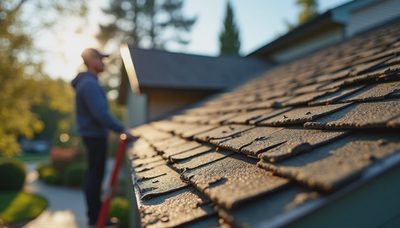
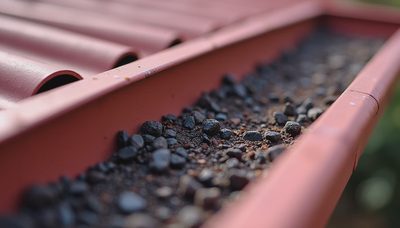
Look for shingles that are curling at the edges, cracking across the surface, blistering, or losing large amounts of granules. Granules collect in gutters and downspout outlets, especially after rain. A few loose granules are normal, but a sandy layer in the gutters on an older roof indicates ongoing wear. Missing shingles, exposed fiberglass mat, and dark patches where tabs have lifted deserve prompt attention.
Do not judge the entire roof from the front slope alone. The south- or west-facing planes often age faster because they receive more sunlight. Valleys, areas below plumbing vents, and roof sections beneath overhanging trees also experience unusual wear. If several slopes show the same deterioration, replacement is more likely than a small repair.
Check the attic before deciding
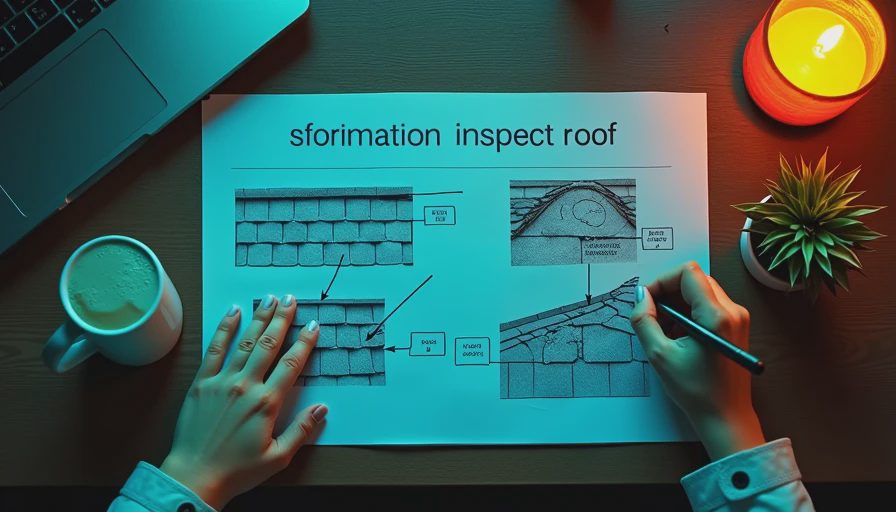
The attic often answers how to tell if roof needs replacement more clearly than the shingles do. Visit during daylight with a flashlight, and look at the underside of the roof decking. Water stains, dark wood, rusty nails, damp insulation, and visible daylight through the roof are warning signs. A musty smell or soft wood around a chimney or valley can point to a long-running leak rather than a recent storm event.
Pay attention to the timing of moisture. If stains appear after wind-driven rain, the problem could involve flashing or a localized penetration. If the attic is hot, humid, or showing condensation around nails, inadequate ventilation may be contributing to premature shingle failure. Replacing shingles without correcting a ventilation problem can shorten the life of the new roof.
Some older homes have multiple roof layers. A contractor should identify how many layers exist and explain whether the roof structure can support another layer. Tear-off work may expose damaged decking, old felt, abandoned flashing, or historic repairs that were hidden from view. That is why a very low quote can change after work begins.
Separate a repair problem from a replacement problem
A repair is reasonable when damage is isolated and the surrounding roofing remains flexible, intact, and reasonably close in age. One missing shingle after a windstorm, a failed pipe boot, or a small flashing gap can often be corrected without replacing every slope. The repair should include finding the source of water, not just covering the stain.
Replacement becomes more practical when failures are widespread. Examples include multiple leak locations, recurring repairs, brittle shingles that crack during handling, broad granule loss, sagging decking, or shingles that are near the end of their expected service life. If a contractor cannot match the existing shingle color or profile, the repaired area may also remain visibly different.
A useful test is to ask what the roof will look like and how reliable it will be after a proposed repair. Spending $600 to $1,500 on repeated patches over two years can be poor value when a replacement is already approaching. On the other hand, replacing a roof because of one defective vent boot is equally careless. The answer depends on the pattern, age, and underlying condition.
Read the estimate, not just the total
Knowing how to tell if roof needs replacement also means knowing how to compare contractor scopes. A clean quote is not always a complete quote. It should state the roof area or measurement basis, tear-off method, number of shingle layers, underlayment, ice and water protection where appropriate, flashing treatment, ventilation work, drip edge, pipe boots, cleanup, permits, and payment schedule.
Compare whether each bid includes replacing step flashing at walls and chimneys or simply reusing old metal. Ask how damaged decking will be priced. Some contractors include a per-sheet rate, often around $75 to $150 installed, while others leave the item vague. The scope should explain whether ridge vents, intake vents, gutters, skylights, and satellite equipment are included or excluded.
Get at least two detailed bids, preferably three, and ask each contractor the same questions. Confirm general liability and workers' compensation coverage, licensing requirements in your area, references for comparable older homes, and the manufacturer warranty. A five-year workmanship promise is not equivalent to a longer, clearly documented commitment, and neither warranty replaces competent installation.
Understand where insurance fits
Insurance usually responds to sudden, covered damage, such as wind or hail, rather than ordinary aging, wear, or deferred maintenance. A roof that has gradually curled for years is generally a maintenance issue. A storm that removes shingles or damages flashing may create a claim, but the policy, exclusions, deductible, roof age, and settlement method control the result.
If you are asking how to tell if roof needs replacement after a storm, photograph the roof and property before temporary repairs if it is safe. Save fallen shingle pieces, note the storm date, and keep invoices for emergency protection. Do not authorize a contractor to promise coverage or inflate a scope. An adjuster may estimate covered damage while excluding old deterioration that existed before the event.
Actual cash value coverage subtracts depreciation from the payment, while replacement cost coverage can reimburse eligible depreciation after completed repairs, subject to policy terms and limits. Older roofs can also have special settlement provisions or exclusions. Review your declarations page and policy language before assuming insurance will pay for a full new roof.
A practical decision process for an old house
Use this sequence when deciding how to tell if roof needs replacement:
- Find the installation date, material, prior repairs, and any storm history.
- Inspect every roof slope from the ground with binoculars, avoiding unsafe climbing.
- Check the attic for stains, damp insulation, rot, condensation, and daylight.
- Ask a qualified roofer to document damage with clear photographs and measurements.
- Request a line-item scope that separates included work from potential extras.
- Compare at least two contractors based on scope quality, not just price.
- Review insurance coverage separately from the contractor's opinion.
- Plan temporary leak protection if the decision will take more than a few days.
My rule is simple: do not replace a roof solely because someone says it is old, and do not postpone action when water is reaching the structure. Older homes hide problems differently, especially around chimneys, additions, porch connections, and uneven roof lines. A thorough inspection gives you leverage and reduces surprises.
If you are still asking how to tell if roof needs replacement, document the condition and get a detailed second opinion before signing. Read the roof, read the scope, and read the policy. Don’t buy the pitch. Read the roof.