Missing shingles are more than a cosmetic problem, but they do not automatically mean you need a complete roof replacement. On an older house, one storm can expose weak adhesive, brittle tabs, damaged flashing, or plywood that has been slowly absorbing moisture. The right next step depends on how much roof area is affected, how old the system is, and what sits underneath the visible damage.
I have reviewed enough roofing estimates to know that the first contractor who says “full replacement” is not always giving you the whole picture. A small, recent loss may be a straightforward repair. A roof covered with scattered gaps, curled shingles, exposed underlayment, and repeated leak marks is a different decision. Don’t buy the pitch. Read the roof.
Start with a Safe Inspection
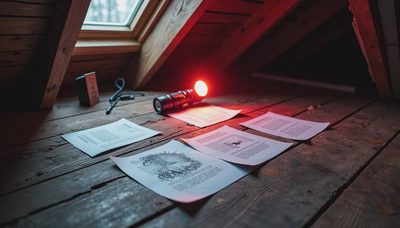
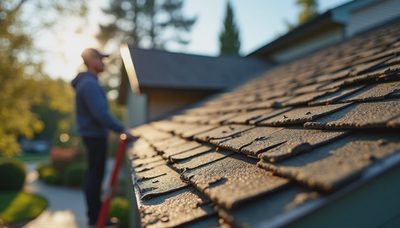
Do not climb onto a steep, wet, or unfamiliar roof to inspect missing shingles yourself. From the ground, use binoculars to look for dark rectangles, exposed felt, lifted tabs, and shingles collected near downspouts. Check the attic with a flashlight, especially after rain. Look for damp insulation, brown stains, daylight around roof penetrations, or a musty smell.
Inside the living space, inspect ceilings near exterior walls, chimneys, skylights, and valleys. Water does not always appear directly below the roof defect. It can travel along rafters before staining drywall several feet away. Place a container under an active drip, but do not seal the ceiling stain or paint over it before documenting the condition.
A few missing shingles on a 10-year-old architectural roof may support a targeted repair. The same number on a 22-year-old roof can signal that the surrounding shingles are losing flexibility and will not hold new fasteners well. Age changes the meaning of the same visible symptom.
Why Shingles Come Off
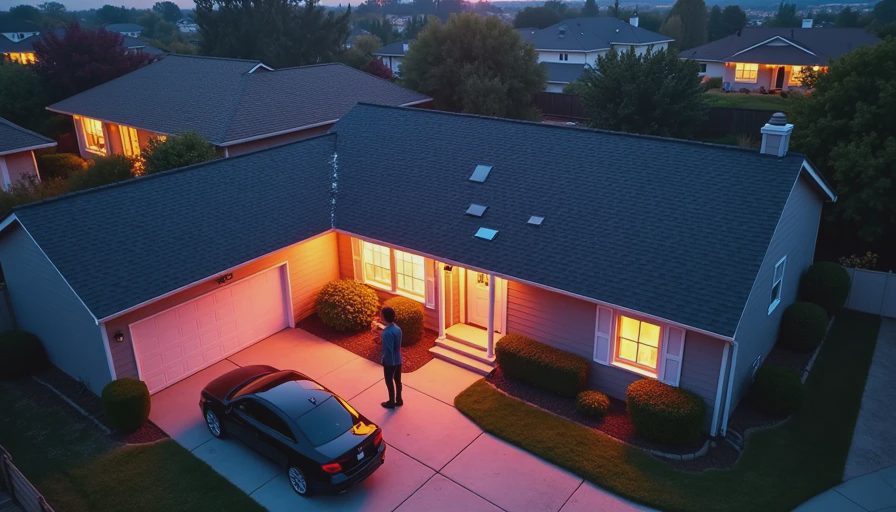
Wind is the obvious cause, but it is not the only one. High winds can break the seal strip that bonds asphalt shingles together, allowing later gusts to lift tabs. Hail can bruise the mat beneath the surface without creating a clean hole. Falling branches, squirrels, poor installation, and repeated freeze-thaw cycles can also create openings.
Older homes often have complicated roof shapes, multiple additions, and several generations of repairs. A rear addition may have a different roof pitch from the original house. Valleys, wall intersections, plumbing vents, and chimneys then become areas where water and wind concentrate. If missing shingles appear around one of these details, the repair must address the flashing and underlayment, not just the visible surface.
Ventilation also matters. Excessive heat in an attic can accelerate asphalt aging, while inadequate intake ventilation can leave the roof deck damp in colder weather. Installing replacement shingles without addressing a recurring ventilation or flashing problem simply resets the clock on a failure.
Repair or Replace?
A repair is more reasonable when the damage is limited, the roof is relatively young, matching shingles are available, and the decking remains dry and solid. A roofer may replace the exposed underlayment, install new shingles, reseal nearby details, and inspect the fasteners. Basic repairs often land in the range of $300 to $1,000, though difficult access, steep slopes, and extensive flashing can push the price higher.
Replacement deserves serious consideration when the roof has widespread granule loss, brittle shingles, repeated leaks, sagging areas, or numerous repairs across several slopes. If the existing product is discontinued, a patch may be visibly different and difficult to integrate. On a roof near the end of its expected service life, spending $700 on repeated repairs can be poor value if another storm creates a larger opening two months later.
Ask the contractor to separate the immediate repair from the replacement recommendation. A clear proposal should state the number of affected areas, whether underlayment and flashing are included, whether damaged decking is priced separately, and how the crew will protect landscaping and siding.
Insurance and Storm Damage
Home insurance usually responds to sudden, covered events such as wind or hail, subject to the policy’s exclusions, deductible, and roof settlement provisions. It generally does not pay to replace shingles that simply wore out from age or poor maintenance. The distinction between storm damage and deterioration is central to many claims.
Photograph the roof from several angles, save loose shingle pieces, record the date of the storm, and keep invoices for temporary protection. If a tree limb caused the damage, photograph the limb and surrounding property before cleanup when it is safe to do so. Do not authorize a contractor to begin full replacement solely because someone says an insurer will pay.
Coverage can also depend on whether the policy settles roof damage at replacement cost or actual cash value. Actual cash value accounts for depreciation, so an older roof may produce a smaller payment than a homeowner expects. Your deductible still applies, and upgrades unrelated to the covered loss may remain your responsibility.

How to Compare Roofing Quotes
When missing shingles lead to a replacement quote, compare scope before comparing totals. One bid may include new pipe boots, chimney flashing, ridge ventilation, synthetic underlayment, starter shingles, and disposal. Another may price only shingles and labor. The cheaper number can become the expensive choice after exclusions appear.
Look for the manufacturer and product line, number of shingle layers to be removed, underlayment type, ice-and-water protection where required or appropriate, flashing treatment, ventilation work, cleanup, permit responsibility, and payment schedule. Ask how the contractor handles rotten decking. A fair estimate gives a per-sheet or per-square-foot allowance rather than leaving the entire surprise open-ended.
Verify that the contractor carries general liability insurance and workers’ compensation coverage. Request recent local references and read the workmanship warranty carefully. Manufacturer warranties cover product issues under their terms; they do not automatically guarantee installation quality. A contractor who avoids written answers about flashing or decking is giving you useful information: keep looking.
A Practical Next-Step Plan
Start by documenting the roof and attic before anyone makes a sales presentation. Then obtain an inspection from a roofer who will provide photos and a written scope. If storm damage is plausible, contact your insurer after documenting the condition and before permanent work begins, except for temporary measures needed to prevent further damage.
For a small repair, ask whether the roofer can match the existing shingles and what happens if surrounding tabs break during the work. For replacement, request at least two detailed bids and compare materials, ventilation, flashing, decking allowances, warranties, and cleanup line by line. Do not let a discount expire in a few hours force a decision on a roof that has served your house for decades.
The best answer is not always the least expensive repair or the largest possible project. It is the scope that solves the actual failure and gives you a reasonable service life. Missing shingles are a signal to investigate, not a reason to panic. Older homes hide problems differently, so slow down, inspect the layers, and make the contractor explain every line. Read the roof before you sign.