The signs you need a new roof are not always dramatic. A ceiling stain after a thunderstorm is obvious, but curling shingles, loose flashing, and an attic that smells damp can point to trouble long before water reaches a bedroom. For homeowners in older houses, the key question is not whether the roof looks tired from the driveway. It is whether the roofing system still keeps water out reliably and has enough useful life left to justify another repair.
Start with the roof's age and history
Most asphalt shingle roofs last roughly 15 to 30 years, depending on shingle quality, ventilation, installation, weather, and maintenance. A basic three-tab roof in a hot, storm-prone area may age faster than an architectural shingle roof in a mild climate. If you do not know the installation date, look through closing documents, building permits, receipts, or old insurance files. A roofer can often estimate age from shingle style and weathering, but an estimate is not the same as a documented installation date.
Age alone does not prove that replacement is necessary. However, an older roof with repeated repairs deserves closer scrutiny. If a roofer says the roof is failing, ask for photographs, a written explanation, and a clear distinction between damage, normal wear, and recommended upgrades. Older homes hide problems differently because additions, chimneys, low-slope sections, and multiple layers of shingles can complicate the roofline.
A roof approaching the end of its expected service life can still appear acceptable from the ground. That is why the signs you need a new roof should be evaluated together rather than one at a time.
Visible warning signs from the ground
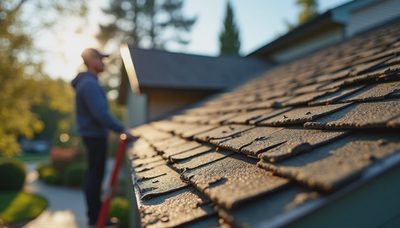
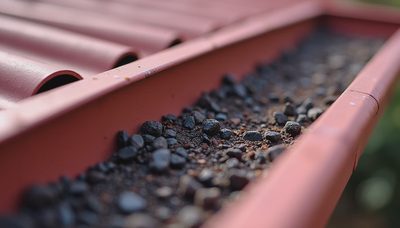
Walk around the house with binoculars, not a ladder, and look for patterns. Shingles that curl at the corners, crack across their surface, or lose large amounts of protective granules are aging. Granules often collect in gutters, downspout outlets, and at the base of downspouts. A small amount after installation is normal, but heavy accumulation on an older roof suggests surface deterioration.
Look for missing shingles, exposed underlayment, dark patches, and areas that appear wavy or sagging. A sag usually signals a structural or moisture problem and should be inspected promptly. Moss and algae do not automatically mean the roof must be replaced, but thick growth can hold moisture against shingles and hide damaged areas. Do not pressure-wash shingles; that can remove protective granules and shorten their life.
Check metal flashing around chimneys, plumbing vents, skylights, and roof-to-wall intersections. Rust, separation, cracked sealant, or visibly loose metal can allow water into the house. One failed flashing detail may be repairable. Many failing details across an older roof often make a full replacement more sensible.

What the attic and ceilings can reveal
The attic often tells the truth before the exterior does. On a dry day, look for dark staining on rafters or roof decking, rusty nails, damp insulation, peeling wood, or daylight where solid roofing should be. A musty odor is another clue, especially after rain. Do not assume every attic stain is an active leak; old water marks can remain after a repair. Fresh dampness, however, needs attention.
Inside the living space, inspect ceilings near exterior walls, chimneys, skylights, and bathroom exhaust fans. Yellow or brown rings, bubbling paint, peeling wallpaper, and soft drywall can indicate recurring moisture. Water may travel along framing before appearing several feet away from the actual entry point, so the stain location is not always the roof defect location.
Ventilation also matters. Excessive heat and moisture in an attic can accelerate shingle aging, encourage condensation, and contribute to uneven roof wear. A replacement quote should explain whether intake and exhaust ventilation are adequate. Adding a ridge vent without enough soffit intake is not a complete ventilation plan.
When repair makes sense and when it does not
A focused repair may be reasonable when the roof is relatively young, the damage is isolated, and the surrounding shingles remain flexible and intact. Examples include replacing a few wind-damaged shingles, resealing a small flashing joint, or correcting a single plumbing-boot failure. Ask the contractor to identify the exact repair area and explain how the replacement material will match the existing roof.
Replacement becomes more compelling when leaks recur in different locations, repairs are consuming hundreds or thousands of dollars each year, or the shingles are brittle across large sections. It is also difficult to justify patching when the roof has widespread granule loss, multiple missing areas, deteriorated flashing, and questionable prior repairs.
One of the clearest signs you need a new roof is a pattern rather than a single defect. A $600 repair can be sensible on a roof with ten good years left. The same repair may only delay a $12,000 replacement on a roof already showing system-wide deterioration. Ask for both options in writing, including the expected limitations of the repair.

How to compare replacement quotes
A clean quote is not always a complete quote. Compare proposals line by line. Each should identify the shingle brand and product line, number of layers to remove, disposal, underlayment, ice and water protection where appropriate, flashing work, ventilation, drip edge, pipe boots, permits, cleanup, and warranty terms. It should also explain the price per additional sheet of roof decking if damaged wood is discovered.
Older homes commonly produce wider quote differences because one contractor includes chimney flashing, new vents, and extensive decking while another prices only shingles. A $9,000 bid and a $14,000 bid may describe different scopes rather than different labor rates. Ask each contractor to inspect the same features and revise the scope so you can compare actual work.
Verify that the contractor carries general liability insurance and workers' compensation coverage where required. Ask for references involving houses similar in age and roof complexity. Be cautious with pressure tactics, large cash deposits, vague workmanship promises, and estimates that say “replace as needed” without explaining unit prices.
How insurance may fit into the decision
Homeowners insurance generally covers sudden, accidental damage from a covered event, such as wind or hail, subject to the policy deductible and exclusions. It usually does not pay to replace a roof simply because it is old or worn out. A storm can damage an aging roof, but the insurer may separate storm damage from deterioration, poor maintenance, or pre-existing conditions.
Photograph the roof, gutters, ceilings, attic, and damaged belongings before temporary repairs. Keep invoices for emergency tarping and save contractor reports. Do not authorize a full replacement solely because someone says insurance will cover it. Report suspected covered damage through the insurer's normal claim process and compare the adjuster's scope with the contractor's scope.
Policy terms differ, and some policies apply actual cash value to older roofs rather than replacement cost. That can leave depreciation deducted from the payment. Read the coverage language before signing an assignment of benefits or agreeing to a contractor's insurance-related promise.
A practical decision checklist
Use this sequence before committing:
- Confirm the roof's approximate age and installation history.
- Photograph visible wear, attic clues, interior stains, and flashing.
- Get an inspection from a qualified roofing contractor who documents findings.
- Request a repair option and a full replacement option when both are plausible.
- Compare at least two detailed scopes, not just two bottom-line prices.
- Check insurance, licensing requirements, references, deposit terms, and warranty language.
- Review your homeowners policy separately if storm damage is suspected.
The signs you need a new roof become much easier to judge when the evidence is organized. Do not buy the pitch. Read the roof, read the scope, and make the decision based on the condition of the entire system rather than one frightening photograph.